HomeWelding machine testing

Welding machine testing

(1002 products found)

Ensure the reliability and performance of your welding machines with our comprehensive welding machine testing services. Our expert technicians utilize advanced methodologies to assess functionality, safety, and efficiency, guaranteeing optimal operation in various applications. We provide detailed reports and recommendations, helping you maintain compliance with industry standards. Trust us to enhance your welding processes, minimize downtime, and extend the lifespan of your equipment. Experience unparalleled quality and precision in welding machine testing today.

Frequently Asked Questions about Welding Machines (Testing and Home Use)

How should I choose a welding machine for home use?
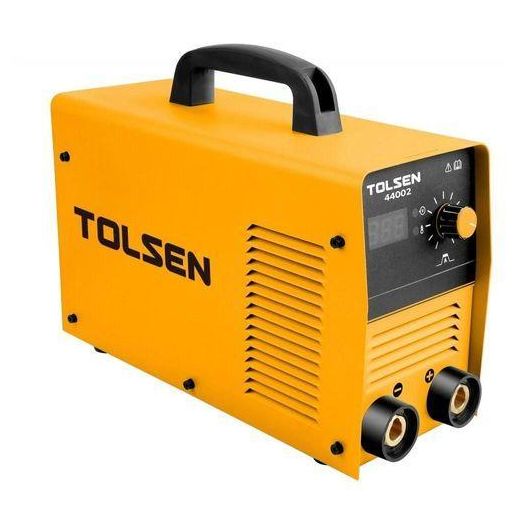
Begin by identifying your typical projects and required amperage range. For most home tasks, a portable inverter MMA welder offering versatility from 130 to 250 amps covers light fabrication and repairs. Look for a digital display, stable arc performance, and safety features such as overload protection. Also consider weight, power source compatibility, and ease of setup. A reliable brand with readily available consumables and spare parts makes ongoing maintenance straightforward.
What amperage range do I need for common welding tasks?
For general household repairs, a 130–160 amp unit handles thinner metals like chassis work, while 180–250 amps works well for thicker materials. If you expect frequent robust welding, choose a wider range or a model rated at 200–250 amps. Ensure the machine offers smooth current control and a comfortable duty cycle for your typical welding duration without overheating.
What is duty cycle and why does it matter?
Duty cycle is the portion of a 10‑minute period the welder can operate at a given output without overheating. A higher duty cycle at the same amperage means longer continuous welding before cooling. For hobby use, 20–30% at 130–160 amps may suffice, but serious projects benefit from 60–80% at higher settings. Always balance amperage needs with duty cycle to avoid overheating and equipment wear.
What about portability and power requirements?
Choose a portable inverter welder if you need work away from a power outlet or on a budget. Check the weight, handle design, and whether it runs on standard household outlets or requires special power. A multi‑voltage capable unit reduces the need for adapters. Also verify grounding requirements and a robust handle for transport to job sites.
What safety and maintenance steps should I follow?
Always wear proper PPE, including gloves, eye protection, and a welding helmet. Keep cables organized, avoid wet environments, and ensure airflow around the unit. Regularly inspect leads and connectors for wear, clean dust from cooling vents, and replace consumables as needed. Follow the manufacturer’s maintenance schedule and store the machine in a dry place to prevent corrosion.
Which brands or series are common for beginners and hobbyists?
Look for reputable brands that offer portable inverter welders with clear manuals, good customer support, and widely available parts. Common series in the market provide multiple amperage settings, LED displays, and straightforward setup suited for beginners. While price varies, choosing a reliable, well‑reviewed brand helps you access easier repairs, spares, and helpful tutorials when you’re starting out.