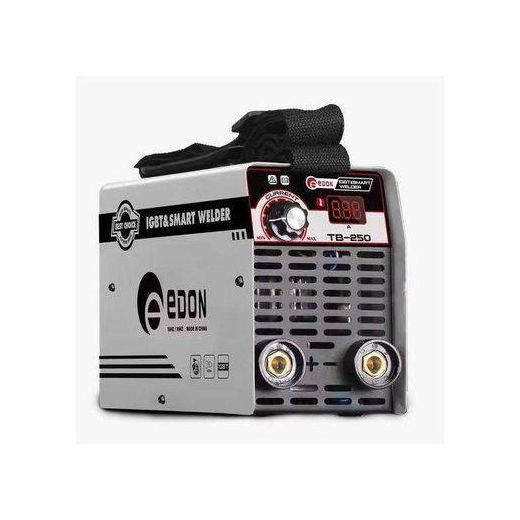
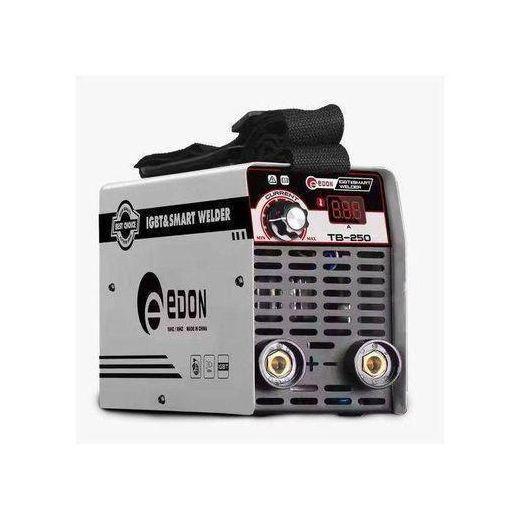
HomeIgbt welding machine

Igbt welding machine

(1097 products found)

Related results:

Frequently Asked Questions about Igbt welding machine

How do I choose the right welding machine for my project?
Begin by deciding the welding process you’ll use most often. An inverter welding machine with IGBT technology provides stable arcs and lighter weight, suitable for both hobby and professional work. Look for a unit in the 160–200 amp range for metal thickness you’ll encounter most often, a 220V input for compatibility with common power outlets, and a clear digital display for precise settings. Some models come with essential accessories and a reasonable warranty to support ongoing projects.
Which welding process is best for beginners versus experienced users?
For beginners, MMA (manual metal arc) welding tends to be easier to start with because it uses simple settings and setup. For more experienced users, an inverter MMA/TIG Lift machine offers additional versatility, allowing both MMA and TIG processes for cleaner, more precise welds on thinner materials. Inverter technology in these machines helps manage heat and arc stability across both methods, making it easier to achieve professional-looking results.
How do amperage and duty cycle influence your weld quality?
Amperage controls heat and penetration; higher amps produce deeper welds on thicker metals, while lower amps suit thinner sheets. The duty cycle shows how long you can weld at a given current before the unit overheats, which is crucial for longer projects. A typical 160A unit might have a 30% duty cycle at maximum current, so plan welds in intervals and allow cooling breaks to maintain consistent performance and reduce the risk of warping.
What maintenance steps keep a welding machine reliable?
Keep your welder in good condition by regularly inspecting cables and connections for wear, cleaning dust from vents, and storing it in a dry place to prevent corrosion. For inverter machines, ensure cooling is not obstructed and allow proper cooling time during long sessions. Use the supplied accessories, such as clamps and brushes, correctly, and perform routine checks on the welding leads to avoid unstable arcs.
What accessories should I expect with welding machines?
Common bundles include an electrode holder, earth clamp, brush, welding helmet, and a carrying belt or strap. Some models also come with extra items like spare cables or a sample bundle for starting projects. When selecting, ensure the kit covers the basics for immediate use, since these components directly impact safety, control, and finishing quality during both beginner tasks and more advanced welds.
Are there safety practices I should follow when welding?
Wear a proper welding helmet with the appropriate shade, flame-resistant gloves, and protective clothing to shield against sparks. Work in a ventilated area to avoid fumes, keep flammable materials away, and inspect your power source and cables before starting. Practice safe torch handling, maintain a clean workspace, and never touch live connectors. Following these steps helps prevent injuries and ensures cleaner, more reliable welds across projects.