HomeWater sensor
Express

Frequently Asked Questions about Water sensor

What water sensing option should I choose for home use?
For home setup, start with a water-sensing option designed for everyday leak detection or alarm signaling. This line includes a wireless water leakage alarm with a 100 dB alert, powered by two AAA batteries (included). It comes in a compact ABS-plastic enclosure and includes the alarm unit plus batteries, making it ready to install in kitchens, bathrooms, or laundry areas. If you want a more electronics-friendly option, there are sensor modules designed for microcontroller projects that you can customize for your environment.
How do LED indicators and audible alarms enhance monitoring?
LED indicators and audible alerts provide immediate feedback on water presence or sensor status. Some detectors feature a bold 100 dB alarm that sounds when water is detected, while others show a power LED and a digital output LED on the module itself. This combination helps you quickly confirm when a sensor is active, when a signal is being sent to a microcontroller, and when you need to take action to prevent water damage.
What’s the difference between a water level sensor and a flow sensor, and when should I use each?
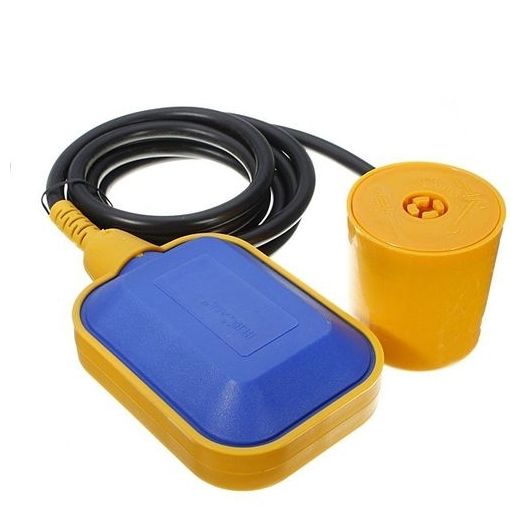
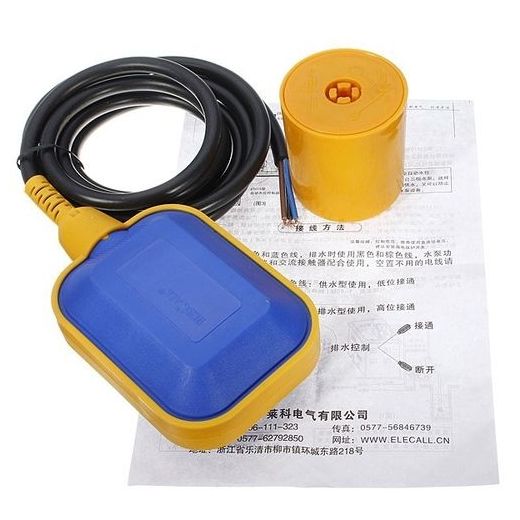
A water level sensor detects the height or presence of liquid, useful for pump control, tanks, and reservoirs. A flow sensor measures the rate of water movement through a pipe and is excellent for monitoring consumption or circulation in automation projects. In this range you’ll find raw sensor plates with small form factors for level detection and a Hall-effect flow sensor that outputs a TTL pulse. Choose level sensors to guard against overflows and flow sensors to manage throughput.
What installation and maintenance steps ensure reliable operation?
Install according to each device’s interface: some sensors use a simple two-wire or three-wire interface (VCC, GND, Signal) for easy connection to microcontrollers, while others are ready-to-use alarms with included batteries. Keep cables tidy, avoid moisture near exposed electronics, and periodically test alarms to confirm audible and visual signals remain clear. For modules intended for Arduino or Raspberry Pi projects, ensure the supply voltage matches 3.3–5V or the module’s specified range to prevent damage.
Where can I use these sensors besides homes?
These sensors suit hydroponics, aquariums, and small automation setups, as well as DIY projects that require water monitoring. Flow meters and level switches can control pumps and alerts in tanks or reservoirs, while TDS and conductivity sensors help monitor water quality in gardens or aquaculture systems. The broad family supports both hobbyists and small-scale professionals seeking practical, modular sensing solutions for liquid management.
What should I consider when buying for Arduino or Raspberry Pi projects?
When shopping for microcontroller projects, prioritize sensors with clear voltage requirements (usually 3.3–5V) and simple three-wire interfaces (VCC, GND, Signal). Check that the sensor outputs a compatible TTL signal for your board and examine the probe or sensing area if you need precise measurements. Many options include connector cables of suitable length and robust housings to withstand enclosure setups, making integration smoother for learners and makers working on water-related experiments.