HomeTemperature compensation charging
Express Delivery
Shipped From
Price (KSh)
-
Discount Percentage
Brand
Temperature compensation charging
(278 products found)
Related results:
Optimize your charging efficiency with temperature compensation charging technology. This advanced feature adjusts the charging voltage based on the ambient temperature, ensuring your batteries maintain optimal performance and longevity. By preventing overcharging in high temperatures and undercharging in low conditions, temperature compensation charging enhances battery health and reliability. Ideal for various applications, this technology is essential for maximizing energy efficiency and extending the lifespan of your devices. Experience smarter charging solutions today.


8A Car Battery Charger, 12V 8Amp Automatic Smart Charger Monitor Battery with LCD Screen Temperature Compensation, Intelligent Charges, Repairs, Maintains Car Motorcycle Boat Mower Battery
KSh 2,985
KSh 4,999
-40%
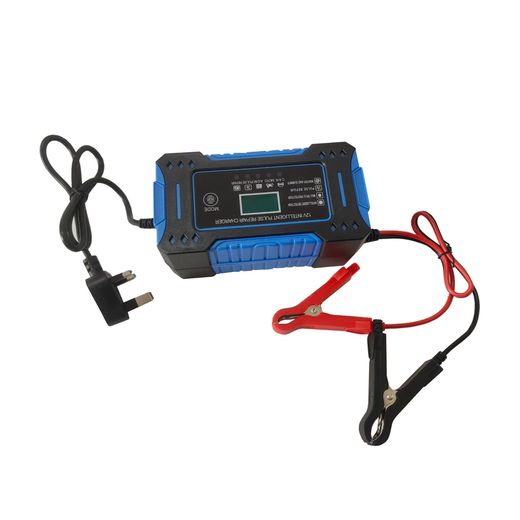
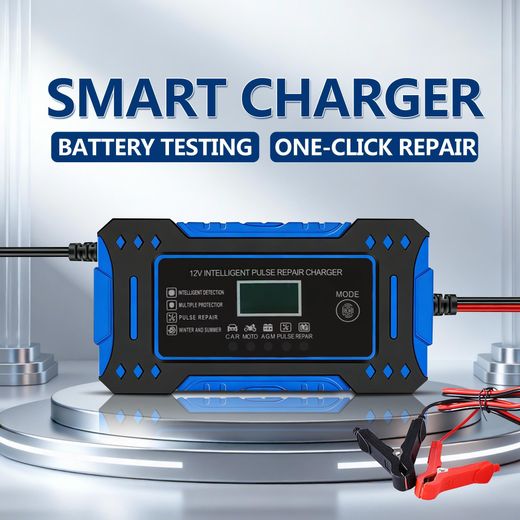
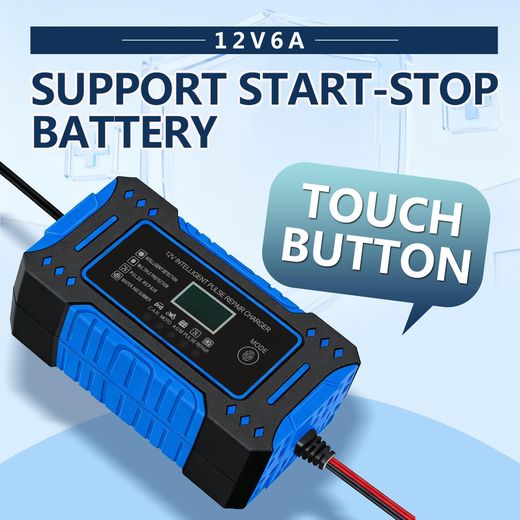
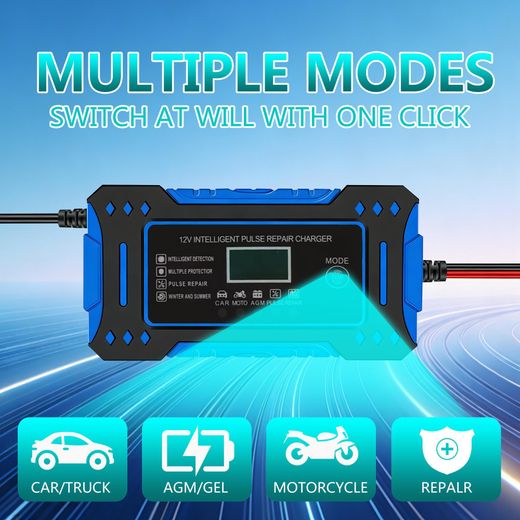
12V 6A Car Battery Charger Intelligent fully intelligent battery charger with temperature compensation and LCD display
4.7 (3)
KSh 1,514
KSh 2,131
-29%
Jumia Express

Tecno Original Camon 17 Camon 18 Camon 19 Pop 5 Pro Fast Charger, Normal
KSh 990
KSh 2,000
-51%


High performance Battery Charger,12V Smart Car Battery Charger, Battery Maintainer Trickle Charger with Temperature Compensation for Car/Truck/Motorcycle/Boat/Lawn Mower
5 (1)
KSh 2,828
KSh 6,543
-57%
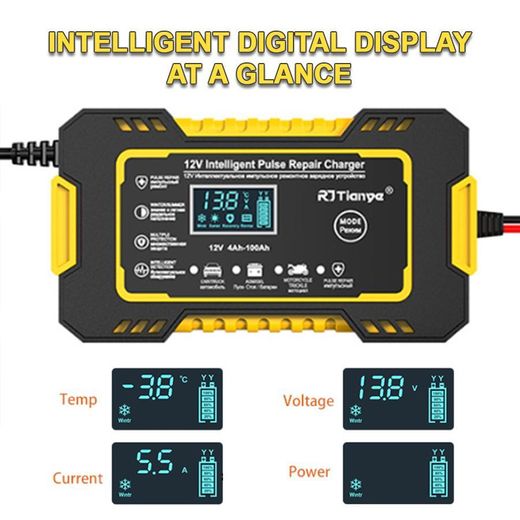
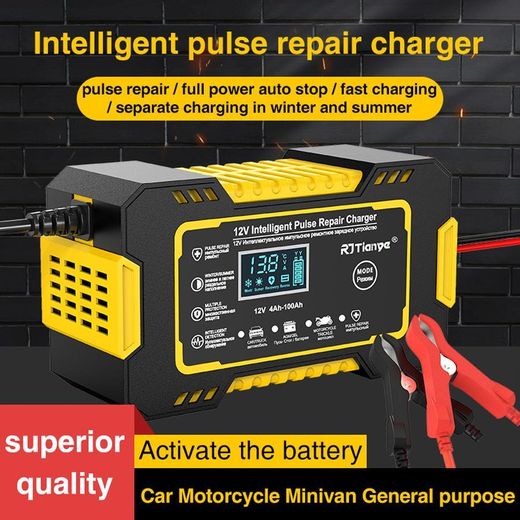
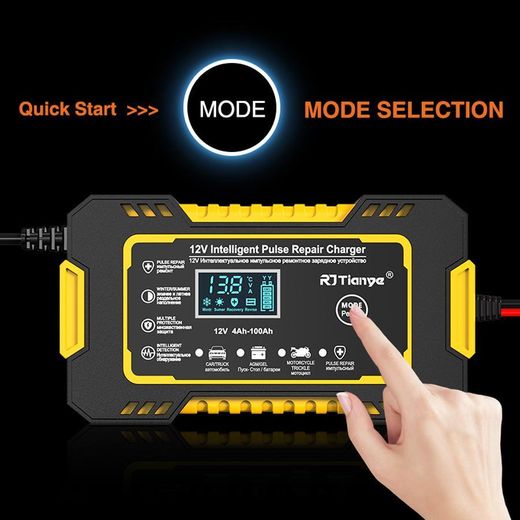
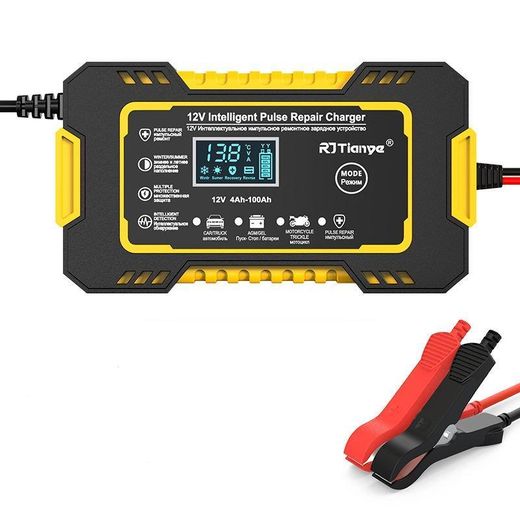
2Ah-150Ah Battery Charger, 12V Automatic Smart Battery Charger/Maintainer with Temperature Compensation, Car Battery Repair and Desulfator for Car, Motorcycle, SUV, Lead Acid/Lithium Batteries & AGM
KSh 2,838
KSh 4,754
-40%

Tecno Charger Type C
KSh 799
KSh 1,500
-47%
 Black Friday deal
Tecno ORIGINAL Super fast normal charger
KSh 743
KSh 1,000
-26%
 Black Friday deal
Tecno ORIGINALNORMAL FAST CHARGER
KSh 743
KSh 1,300
-43%
 Black Friday deal
Tecno NORMAL FAST CHARGER
KSh 743
KSh 1,300
-43%
Out of Stock
Tecno NORMAL FAST CHARGER
KSh 799
KSh 1,300
-39%

Tecno Charging Adapter Plus USB Type-A to USB Type C/White
KSh 1,500
Tekno SUPER FAST NORMAL CHARGER
KSh 689
KSh 1,000
-31%

Tecno SUPER FAST NORMAL CHARGER
KSh 3,000
KSh 3,600
-17%

Tecno Generic,Micro USB,Charger,Fast Charger
KSh 998
KSh 1,898
-47%
offers from

Tecno NORMAL FAST CHARGER
3.3 (3)
KSh 799
KSh 1,000
-20%
Tecno Super Fast Type-C Charger (Adaptive Fast Charging)
KSh 799
KSh 1,150
-31%
Tecno Charger Type C|White
KSh 799
KSh 1,500
-47%

Tecno Micro Fast Charger.
KSh 749
KSh 1,000
-25%
offers from

Infinix Micro Fast Charger (with Micro USB Cable)
KSh 1,500

Infinix Micro Fast Charger (with Micro USB Cable)
KSh 1,500

Tecno ORIGINAL Micro Fast Charger TYPE B
KSh 799
KSh 1,200
-33%


8A 12V Smart Battery Charger – Automatic Maintainer, Trickle Charger & Desulfator with Overcharge Protection & Temperature Compensation – For Lead-Acid & Lithium Batteries
KSh 2,987
KSh 3,467
-14%

Out of Stock
Tecno NORMAL FAST CHARGER
KSh 799
KSh 1,499
-47%

Out of Stock
Tecno ORIGINAL 18W SUPER FAST NORMAL CHARGER
KSh 799
KSh 1,199
-33%
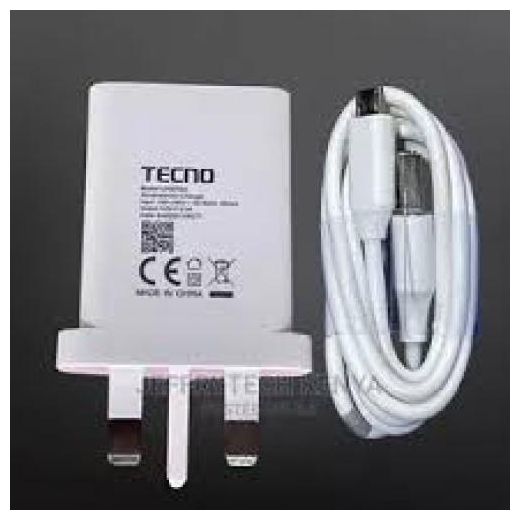
Tecno NORMAL FAST CHARGER
KSh 799
KSh 1,399
-43%
offers from
Tecno SUPER TYPE C CHARGER
KSh 799
KSh 1,000
-20%

Out of Stock
Tecno Charger Type C
KSh 999
KSh 1,999
-50%
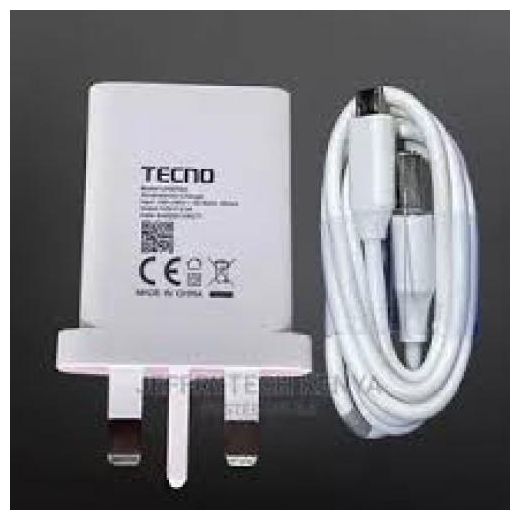
Tecno NORMAL FAST CHARGER
KSh 799
KSh 1,300
-39%

Out of Stock
Infinix Micro Fast Charger (with Micro USB Cable)
KSh 1,500


8A 12V Smart Battery Charger – Automatic Maintainer, Trickle Charger & Desulfator with Overcharge Protection & Temperature Compensation – For Lead-Acid & Lithium Batteries
5 (1)
KSh 2,987
KSh 3,456
-14%
Tecno Micro Fast Charger.
KSh 749
KSh 1,000
-25%
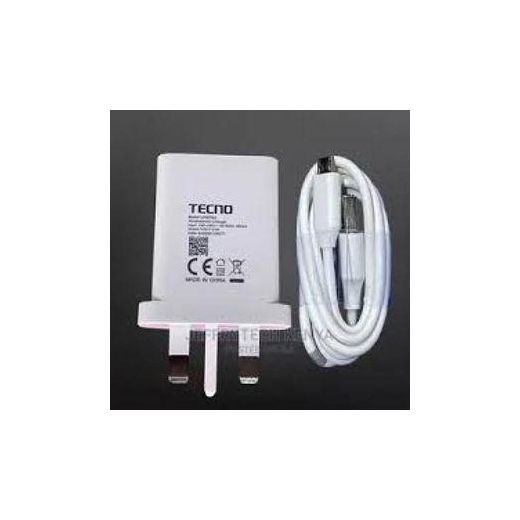
Tecno NORMAL FAST CHARGER
KSh 799
KSh 1,000
-20%

Tecno ORIGINAL 18W SUPER FAST NORMAL CHARGER
KSh 799
KSh 1,099
-27%
offers from

Tecno Charger Type C
KSh 799
KSh 1,500
-47%
 Black Friday deal
Samsung ORIGINAL Super fast normal charger
KSh 743
KSh 1,099
-32%
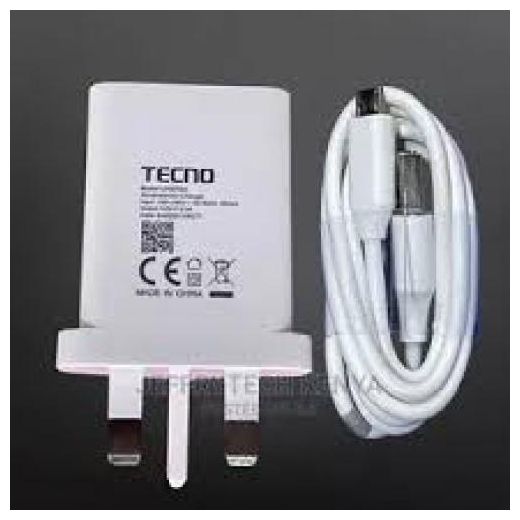
Tecno ORIGINAL 18W SUPER FAST NORMAL CHARGER
KSh 799
KSh 999
-20%


Tecno Super Fast normal charger (Type B)
KSh 779
KSh 1,500
-48%
Tecno super type c fast charger
KSh 799
KSh 1,000
-20%

Infinix Micro Fast Charger (with Micro USB Cable)
KSh 1,499
offers from
Tecno NORMAL FAST CHARGER
KSh 799
KSh 1,799
-56%
Frequently Asked Questions about Temperature-Compensation Charging Devices
How do I choose the right temperature-compensated charging device for my energy setup?
Start by matching your system voltage (12V or 24V) and your battery type, then select a device with smart temperature compensation and a current rating that fits your needs. Look for dual-voltage support, sufficient amperage (for example, around 30A or higher for larger banks), and compatibility with solar charging if you use panels. Check safety features such as overcharge protection and reverse polarity. A unit from the energy-controllers or charger-converters category is ideal, and an LCD display can help you monitor temperature and charging status at a glance.
What should I look for in a charger or energy controller that offers temperature compensation?
Focus on sensor accuracy, automatic compensation range, and reliable solar compatibility. Ensure the device automatically adjusts charging voltage based on ambient temperature, supports your battery chemistry (lead-acid, AGM, or lithium), and includes essential protections like short-circuit and overcharge safeguards. A robust build, proper insulation, and clear monitoring indicators help prevent mischarging. If you plan remote monitoring or solar integration, choose a model from reputable energy-management brands that provide clear setup guides and reliable performance.
Should I choose 12V or 24V hardware for my setup?
Choose a device that matches your system voltage to avoid inefficiency or damage. 12V units are common for smaller vehicles, boats, or off-grid setups, while 24V devices suit larger battery banks and higher power requirements. Some intelligent controllers support both voltages, which offers flexibility if you expand your system later. Always verify the device’s voltage compatibility and ensure your wiring and fuses are rated accordingly to maximize safety and performance.
Who benefits most from temperature-compensation charging devices?
These devices are ideal for solar-powered systems, RVs, boats, and off-grid installations where temperatures fluctuate and battery performance matters. They work well with various battery chemistries, including lead-acid, AGM, and lithium. Hobbyists and professionals alike benefit from reduced risk of undercharging or overcharging due to temperature changes. If you maintain long-term battery health and optimize charging efficiency, investing in a temperature-compensation-capable controller or charger is a smart move.
What maintenance or mounting steps help ensure safe operation?
Install the unit in a well-ventilated area away from direct heat sources, with secure mounting and proper cable routing. Use correct polarity on all connections and keep terminals clean and corrosion-free. Regularly inspect the temperature sensor placement to ensure accurate readings and verify that sensing components aren’t blocked by dust or enclosure fins. Periodically test protections (overcharge, short-circuit) and confirm wiring remains intact after any system changes or weather exposure.
Are there brands or series I should consider?
Look for reputable lines within energy-controllers and charger-converters that emphasize smart temperature compensation and robust safety features. Popular choices tend to be versatile, dual-voltage units with clear monitoring interfaces and compatible sensor options. In this listing you’ll see generic-branded controllers and integrated systems; evaluate warranty, user reviews, and ease of integration with existing solar or grid-tied setups. Avoid very low-cost, unproven options and prioritize products with documented performance in temperature-aware charging.