HomeSwing bin

Frequently Asked Questions about Swing bin

How can I choose the right swing bin for my space and needs?
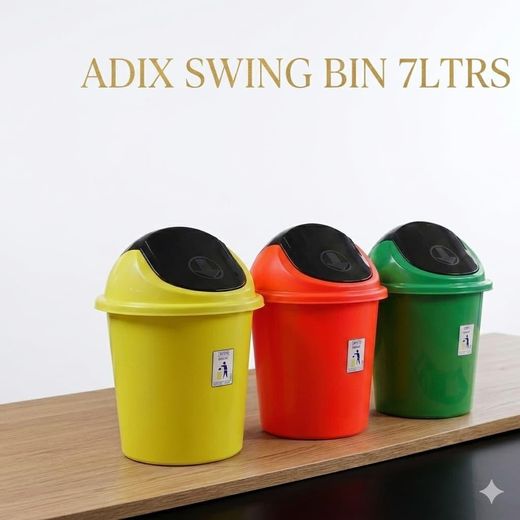
Start by assessing space and waste load. For tight kitchens, bathrooms, bedrooms, or small offices, select a compact 5–7 litre model, such as a 7L swing bin, which is easy to clean. For busier areas, larger capacities exist, like 50 litres for high-traffic spots or a mobile 68‑litre option that can move between rooms. Lid type matters: swing lids are convenient for one‑hand operation and keeping waste out of sight, while push-lid designs seal odours more tightly. Most options are durable plastic and simple to wipe, with some units described as locally made in Kenya for reliable supply.”},{
What makes the lid mechanism and capacity such a big deal when choosing a swing bin?
The lid mechanism and capacity together determine everyday usability and odour control. Swing lids are easy to operate with a light push or lift, ideal for quick disposal, while push-lid designs create a tighter seal in busy spaces. Capacity ranges from small 5–7 litres for personal spaces to large 50 litres or more for shared areas. Mobility features are also a plus in dynamic environments, allowing you to relocate waste collection as needed without extra effort.
Which usage scenario fits a swing bin best, and why?
A swing bin fits a home or small-office scenario well when space is limited and waste volume is moderate. For example, a 7L bin works neatly in kitchens or bathrooms, while a 50L unit suits lightweight offices or shops with higher traffic. For flexible layouts, a 68L option provides extra capacity and can be moved between spaces as needed. These choices balance footprint, ease of use, and cleanup, ensuring waste disposal remains tidy without crowding your area.
What maintenance tips help keep swing bins in good condition?
Keep the bin clean by wiping with mild soap and water after use, then dry thoroughly to prevent residues. Plastic construction facilitates quick cleaning and resists rust, so avoid abrasive cleaners that could scratch the surface. Regularly empty the bin before it overfills to prevent odour buildup, and inspect the lid to ensure it closes smoothly without sticking. For units described as locally made in Kenya, rely on the familiarity of local materials and manufacturing quality for dependable daily use.
Which brands or sourcing cues suggest reliable swing-bin quality?
Look for established brands such as ADIX or kenpoly, known for durable plastic bins and practical designs. Local manufacturing cues, like items described as made in Kenya, often indicate proven supply chains and practical availability for households and offices. Evaluate how the bin’s lid, material, and finish respond to daily use—smooth-sling lids, solid plastic walls, and easy-to-clean surfaces are strong indicators of reliability across the range.
How should I think about color and design when picking a swing bin?
Choose color and design to fit your space and waste goals. You’ll find a mix of green, blue, grey, and multicolor options, plus classic black or neutral tones. For an office, a neutral or discreet shade helps maintain a tidy look, while a brighter or multi-tone model can help designate different waste streams in shared areas. Design features like a swing lid or push-lid should coordinate with your room’s style while remaining practical for everyday use.