HomeSpeaker connector types

Speaker connector types

(211 products found)

Explore the various speaker connector types essential for optimal audio performance. From traditional banana plugs and spade connectors to modern XLR and TRS options, understanding these connectors can enhance your sound system setup. Each type offers unique benefits in terms of connectivity, durability, and sound quality. Whether youre a professional audio engineer or a home audio enthusiast, our comprehensive guide will help you choose the right speaker connectors for your needs, ensuring a seamless audio experience.

Frequently Asked Questions about Speaker Connectors and Adapters

How do I choose the right connector type for my audio setup, such as XLR, TRS, or SpeakOn?
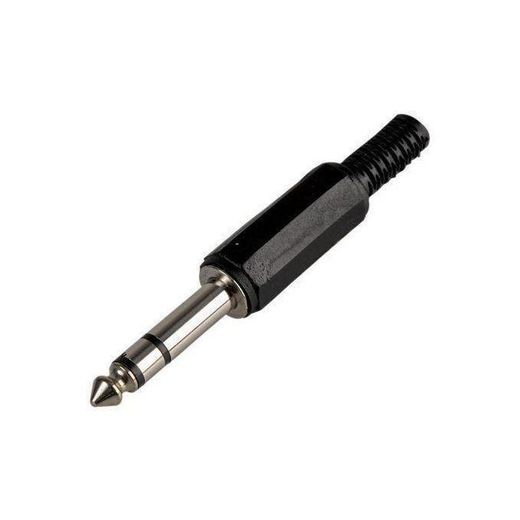
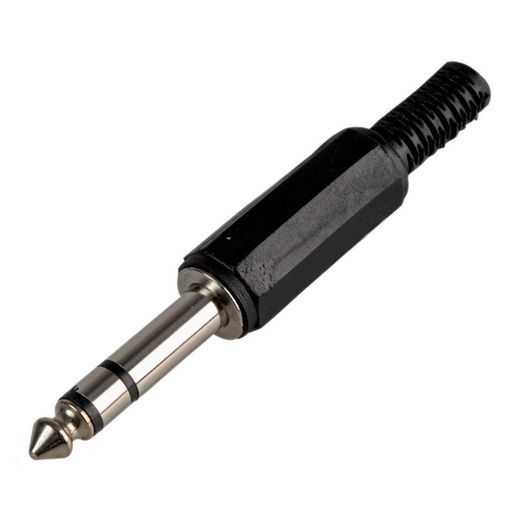
Begin by matching the connector to your equipment’s inputs and outputs. XLR is common for pro audio mics and mixers, TRS works well for balanced audio, and SpeakOn is favored for high-power speaker connections. This batch includes various generic connectors and patches; ensure impedance compatibility and cable quality to maintain signal integrity. When in doubt, opt for a familiar, well-reviewed connector family from reputable brands.
What is the most complex feature of audio connectors, and why does it matter?
The most complex attribute is impedance matching and compatibility across devices. Mismatched connectors can cause hum, loss of signal, or degraded audio quality. Understanding how connectors join different pieces of gear—like mixers, amps, and speakers—helps you choose cables and adapters that preserve tone and performance. Prioritize sturdy connectors and correctly rated cables for reliable sound.
Should I buy different connectors for studio use or live performances, and how does that affect selection?
For studio use, prioritize balanced connections (TRS) and robust XLRs for clean, low-noise signals. For live performances, SpeakOn or high-grade XLRs offer durability and reliable power handling. Choose connectors and cables designed for your typical environment, considering flexibility, resilience, and ease of replacement. This approach ensures consistent performance whether recording or performing on stage.
How should I maintain and care for audio connectors to extend their life?
Keep connectors clean and dry, wipe away dust, and store cables neatly to prevent kinks. Inspect plugs for bent pins and secure locking collars if present. Use protective caps on unused ends and avoid pulling by the cable rather than the connector. Regular cleaning and careful handling minimize connectivity issues and extend the life of your gear.
Which brands or series should I trust for reliable connectors and adapters?
Choose established brands known for audio reliability and build quality, such as universal connectors and classic professional-series parts. Look for connectors sold in sets or by reputable distributors with clear specifications and return policies. Brand familiarity and product reviews can guide you toward durable, safe, and compatible choices.
Are these connectors compatible with common audio devices like mixers, amps, and loudspeakers?
Compatibility generally depends on the port type and impedance rating. Most mixers, amps, and loudspeakers use standard XLR or TRS interfaces, while SpeakOn handles high-power speaker connections. Verify pin configuration, sleeve sizes, and compatibility with your devices’ input/output specs. When in doubt, consult device manuals or seek advice from a professional to avoid mis-matches.