HomeSolar pump
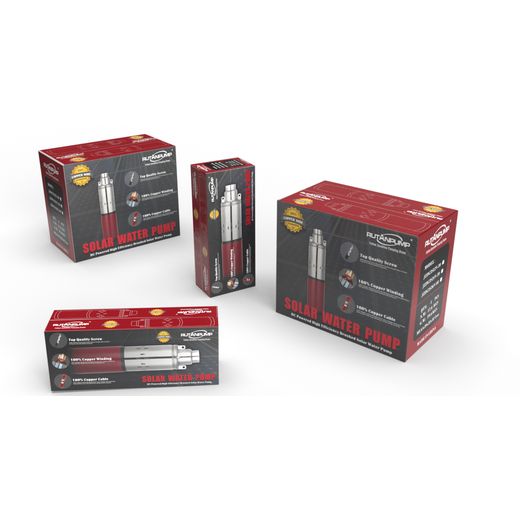
Discover the efficiency and sustainability of solar pumps, designed to harness solar energy for reliable water management. Ideal for agricultural, residential, and industrial use, these pumps offer an eco-friendly solution to your water supply needs. With minimal maintenance and operational costs, solar pumps provide a cost-effective alternative to traditional pumping systems. Explore our range of high-quality solar pumps at Jumia Kenyanya and invest in a greener future while ensuring consistent water access.
Express

Frequently Asked Questions about Solar Water Pumps

How do I choose the right solar water pump for irrigation or domestic use?
Begin by matching the pump’s voltage and power with your solar setup and water head you need to overcome. Consider the head height (meters) and flow rate required to meet your irrigation or domestic needs. Submersible designs are ideal if you need to place the pump underwater, while surface pumps suit easier access. Check for durability in outdoor conditions, corrosion resistance, and compatibility with your solar panels for sustainable operation.
What is the most complex attribute to understand in solar pumps?
The most complex attribute is head height and flow rate together with solar panel configuration, which determines overall performance. Head height affects the pressure and distance water can be pumped, while flow rate determines how much water is delivered per minute. Solar panel sizing and pump efficiency influence how reliably you can meet demand on sunny days. Understanding these interacting factors helps ensure the system runs smoothly.
Which scenarios help decide between 24V and 12V solar pumps?
For small homes or gardens with modest water needs, a 12V pump can be sufficient and economical. For larger setups like farms or deeper wells, a 24V pump provides better efficiency and higher head. Your choice also depends on the availability of compatible solar panels and likely expansion in the future. A professional assessment can help translate head, flow, and power requirements into the right voltage and model.
How should I maintain and operate a solar water pump system?
Regularly inspect pumps and seals for wear, ensuring no leaks. Keep solar panels clean and unobstructed to maximize efficiency. Check electrical connections for corrosion and replace worn components promptly. Test the system periodically under load to verify it can meet your water needs. Protect the pump from freezing temperatures and harsh weather when possible, and store spare parts for quick repairs.
Are these solar pumps compatible with different well types and water sources?
Most solar water pumps are designed for shallow to medium-depth wells and surface water sources. Verify the pump’s maximum head and submersible options for deeper wells. If you depend on brackish or mineral-rich water, inspect corrosion resistance and seals suitable for your environment. For farms, ensure the system can handle fluctuating water demand and consider a pump with reliable dry-run protection.
What common pitfalls should I avoid when purchasing solar water pumps?
Avoid undersized pumps that cannot meet head and flow requirements, which leads to inefficient operation. Don’t overlook panel capacity and real-world sun exposure, which affect performance. Be cautious about low-quality controllers or inverters that fail in adverse conditions. Finally, ignore maintenance needs and spare parts availability, which can lead to costly downtime during critical irrigation periods.