HomeSolar forms

Solar forms

(1001 products found)

Related results:
Discover our premium range of solar forms, designed to harness the power of the sun for sustainable energy solutions. Ideal for residential and commercial applications, these solar forms offer efficient energy conversion, durability, and easy installation. With advanced technology and eco-friendly materials, our products ensure maximum performance and reliability. Join the renewable energy revolution today and reduce your carbon footprint while enjoying significant savings on energy costs. Explore our collection to find the perfect solar solution for your needs.

Frequently Asked Questions about Solar Forms (item 176742)

How should I size a solar setup for a Nairobi home or small business, and what factors matter?
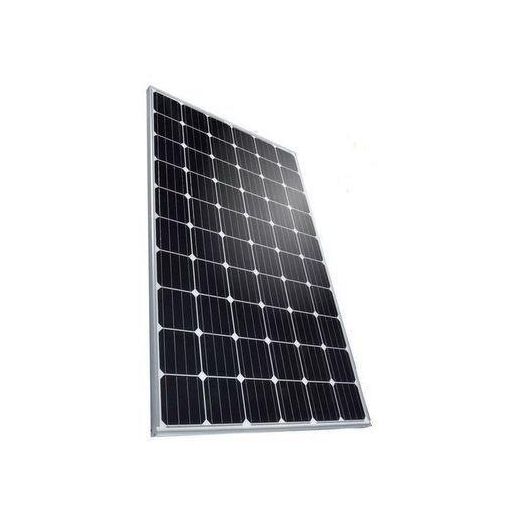
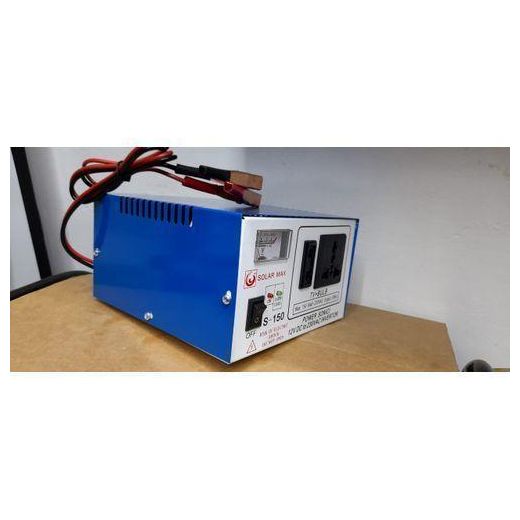
Begin with daily energy use and desired backup duration. Choose solar panels with sufficient wattage to meet daytime load, and pair with a suitable battery type (gel or lead-acid) for storage. Include an inverter with adequate continuous output to cover essential appliances. Consider climate, roof space, and installation cost. Brands like Powermate and SolarMax offer kits with batteries and inverters designed for local use, helping you optimize autonomy and reliability in Kenya.
What’s the difference between 150Ah solar gel batteries and lead-acid options, and which should I pick?
Gel batteries are maintenance-free, offer good deep-cycle performance, and perform better in hot climates, but can be more expensive. Lead-acid batteries are cheaper upfront but require regular watering and maintenance and have shorter cycle life. For Nairobi homes, gel may provide longer service with less upkeep, while lead-acid can work well for basic setups on a tighter budget. Assess your maintenance tolerance, budget, and space when choosing between these two battery types.
What is the role of a solar inverter in these kits, and how do I select one?
The inverter converts DC from batteries to AC for household appliances, so choose a model with enough wattage to cover your peak load. Consider whether you need pure sine wave output for sensitive electronics, surge protection, and efficiency. Look at the inverter’s compatibility with your solar panels, battery type, and the rated AC output. In Nairobi, select inverters from reliable brands that offer service support and spare parts locally.
How should I maintain solar components to ensure longevity and performance?
Keep panels clean and free from dust; a light rinse with water is usually sufficient. Inspect connections and mounting hardware for corrosion or looseness after heavy winds or storms. Check battery electrolyte levels if using wet cells and top up as required with manufacturer-approved products. Monitor inverter efficiency and replace worn cables to prevent energy loss and ensure safe operation in all seasons.
What additional gear might I need besides panels, battery, and inverter for a safe setup?
You may need a charge controller to manage battery charging, proper wiring and fuses, and weatherproof enclosures for outdoor components. A mounting kit and cabling suitable for Kenyan climates improve durability. Consider a simple monitoring device to track battery health and panel output. Ensure all components are rated for your system voltage and local electrical codes, and choose brands with clear documentation and local support.
How can I estimate days of autonomy and prevent over-discharging in a compact system?
Estimate days of autonomy by calculating usable battery capacity (Ah × voltage) divided by daily energy use. Plan for a conservative depth of discharge to extend battery life, typically around 50% to 80% depending on battery type. Use an appropriate inverter and controller to avoid overloading, and incorporate a small backup system for critical loads. In Nairobi, select components with good efficiency and reputable warranties to safeguard against premature failure.