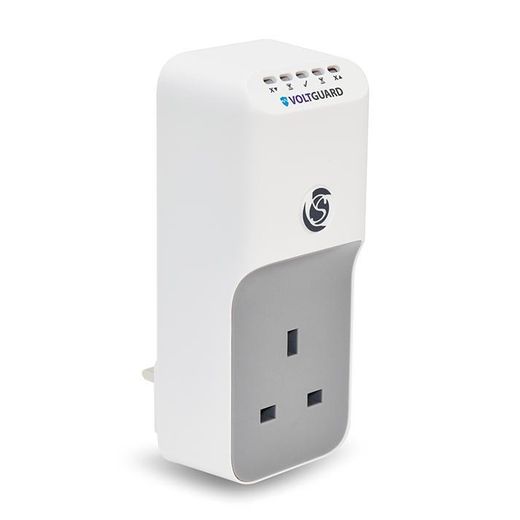
HomeSocket voltage protection

Socket voltage protection

(268 products found)

Ensure the safety of your electrical devices with our high-quality socket voltage protection solutions. Designed to safeguard against voltage fluctuations, these devices prevent damage to your appliances by regulating power supply. Ideal for both residential and commercial use, our socket voltage protectors offer peace of mind and reliability. Explore our range of innovative products that combine advanced technology with user-friendly features, ensuring optimal performance and longevity for all your electrical equipment. Protect your investments today!
Express

Frequently Asked Questions About socket voltage protection

How do I choose the right socket voltage protection for my home electronics?
Start by defining your protection needs based on the devices you plug in and the power conditions in your area. Look for a unit with solid surge protection ratings, a low clamping voltage, and a fast response time to limit spikes reaching TVs, decoders, or computers. Check the number of outlets and the length of the extension, preferring trusted brands like MK or mk-electronics that offer safety features such as overload protection and EMI/RFI protection. Choose models with easy reset switches and clear indications so you can reuse them safely after an event.
What should I look for in the clamping voltage and energy rating when selecting socket voltage protection?
A low clamping voltage ensures spikes are cut off quickly to protect your gear, while a high energy (joule) rating indicates how much surge energy the unit can absorb over time. This combination helps guard devices like TVs and set‑top boxes during frequent outages or voltage spikes. Higher joule ratings generally mean longer-lasting protection for larger or more sensitive setups. Always pair these specs with reputable brands to ensure reliable performance.
How should I choose socket voltage protection for a home cinema setup versus a busy home office?
For a home cinema, prioritize protection for the TV and decoder with multiple outlets and safe extension cables, plus EMI/RFI protection to minimize interference. In a busy home office, focus on outlets for computers, printers, and chargers, and consider USB ports for rapid charging. Look for units with universal output sockets and robust overload protection, so a single surge doesn’t affect the entire workspace. Brands like MK and related lines often offer both surge-protector options and stabilizer variants to fit different needs.
What maintenance steps and compatibility checks are important for socket voltage protection devices?
Regularly inspect the plug and cord for wear and ensure the device is rated for 220–250V outlets common in many markets. Test the overload protection and reset switch periodically and keep the unit dry and away from heat sources. Check that the sockets match your plug types (3-pin, universal outputs) and avoid daisy-chaining unprotected devices. Choose models with safety switches and clear indicators to monitor status at a glance.
What is the difference between surge-protector options and stabilizers for socket voltage protection?
Surge protectors guard devices against voltage spikes and transients, typically with multiple outlets and EMI/RFI protection. Stabilizers regulate voltage to stay within a safe range during fluctuations, which is helpful in areas with unstable supply to protect sensitive equipment. In listings you may see both, with MK and similar brands offering surge‑protectors for most setups and some stabilizer variants for systems that demand tighter voltage control.
Can I pair socket voltage protection devices with extension cables and USB ports without compromising safety?
Yes, you can, as long as the protector supports the extension length and includes USB ports if needed. Look for units that specify 4‑way or 5‑way extensions, universal output sockets, and built-in overload protection. Ensure the USB ports are designed for charging and the overall device has EMI/RFI protection to minimize interference. When in doubt, choose a model that clearly lists these features and maintains safe operation under 220–250V supplies.