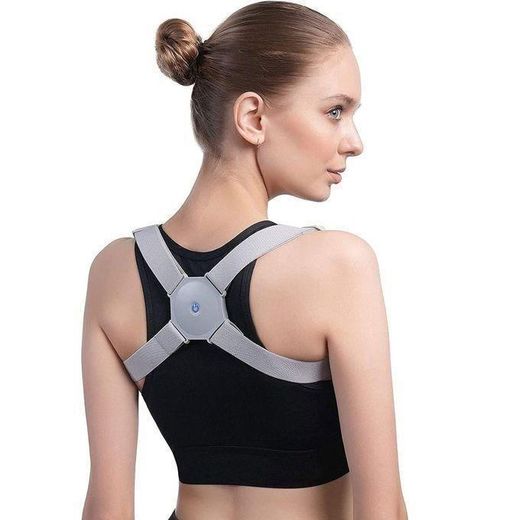
HomeSmart posture corrector

Smart posture corrector

(403 products found)

Related results:
Express

Frequently Asked Questions about Smart posture corrector

How do I choose the right posture-support option for improving neck, back, and shoulder posture?
Start by identifying the primary area you want to support: back-braces for overall back alignment, back-neck-shoulder-supports for neck and upper spine, or shoulder-supports when the focus is on shoulders. Many models in this range include intelligent sensors and vibration reminders that activate when the back is bent more than 25 degrees or when shoulder tension rises, helping you correct posture in real time. Practical wear guidance from testing suggests about two hours per day to begin building healthier habits, with adjustable sizing and multi-color options to fit different outfits.
What is the most complex feature to understand in these smart posture correctors?
The most complex feature is the intelligent sensor system with vibration reminders. It continuously monitors your upper body position and automatically activates cues when you Slouch beyond the threshold (back bending over 25 degrees) or when shoulder tension changes. This real-time feedback combines angle sensing with immediate prompts, encouraging you to adjust posture during daily activities. Choosing a model with this sensor improves accountability and helps establish consistent habits, especially for desk work or long commutes.
How do I decide between universal wear models and those focusing on specific areas?
If your goal is broad, all-day support for both back and neck, a universal posture corrector (suitable for adults and kids) is a strong pick. If your symptoms target a particular area, such as persistent shoulder tension or neck discomfort, opt for a back-brace or back-neck-shoulder-support model designed to concentrate support there. For example, universal options are commonly marketed for mixed-use wear, while targeted braces emphasize focused alignment, ensuring you get the right level of reinforcement.
What maintenance steps help keep a posture corrector comfortable and effective?
Maintain fit and comfort by regularly adjusting the straps to avoid excessive pressure and ensure sensors sit properly on the body. Follow the wear guidance of about two hours per day, and inspect the fabric and buckles for wear or fraying. After use, wipe down the fabric and sensor area to keep skin irritants away, and store in a dry, cool place. Consistent use and proper adjustment maximize sensor accuracy and encourage long-term posture improvements.
Who should consider a posture corrector and how do I ensure a good fit?
Adults and kids alike can benefit, especially if you spend long hours seated or frequently slump. Look for models labeled as universal (for multiple ages) or size-adjustable braces that offer longer straps and flexible frames. A good fit means the brace sits comfortably across the upper back and shoulders without pinching, and the sensor module aligns with your spine to read posture accurately. Choose a multi-color option if you want a device that blends with different outfits.
Are there safety or skin-comfort considerations to keep in mind when choosing a smart posture corrector?
Prioritize breathable materials and smooth edging to minimize skin irritation during wear. If you have sensitive skin, opt for braces that use softer fabrics and well-padded edges, and ensure the device can be worn over or under clothing without restricting movement. Some models integrate durable nylon or ABS components with multi-color shells, illustrating a material variety that can affect comfort. Always start with a lighter wear period to assess tolerance before extending usage rules.