HomeSmall lcd screen with controller board

Small lcd screen with controller board

(1000 products found)

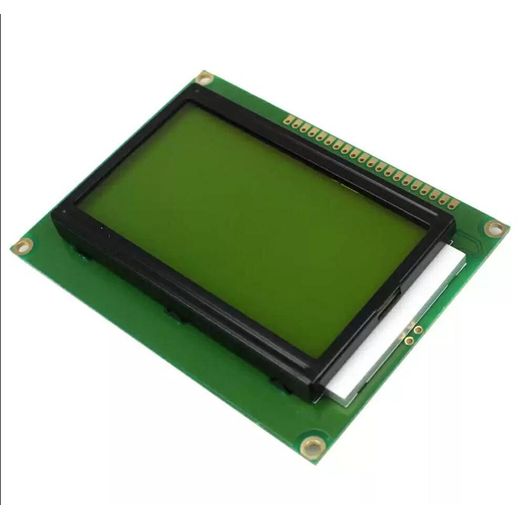
Discover our high-quality small LCD screen with a controller board, perfect for various electronic projects and applications. This compact display offers vibrant visuals and easy integration, making it ideal for DIY enthusiasts and professionals alike. With its user-friendly interface and versatile compatibility, you can effortlessly connect it to microcontrollers and development boards. Enhance your projects with this reliable LCD screen, designed for optimal performance and durability. Explore endless possibilities today!
Express

Frequently Asked Questions about Small LCD Screen with Controller Board

How do I choose a small LCD screen with a controller board for a project?
Start by matching the display type to your project needs—character LCDs with I2C are simple for basic text, while OLED options offer higher contrast and smaller footprints. Check driver compatibility with your microcontroller, ensuring you have the right library support. Consider resolution, view angle, and power consumption for your battery-powered setups. For beginners, a tried-and-true 2004-character or 16x2 display with I2C can simplify wiring and coding, while more advanced projects may benefit from color or higher-resolution options.
What is important to understand about controller interfaces like I2C and display types?
I2C interfaces reduce the number of wires, making wiring cleaner and easier for beginners, while expanding compatibility across devices. OLED displays provide crisp, legible text at small sizes but may draw more power. LCDs are cheaper and robust but with limited contrast. When selecting, ensure your microcontroller has I2C support and compatible voltage levels. The combination you choose should balance ease of use, power requirements, and readability in your specific application.
Do I need a specific size, resolution, and backlight for my project?
Yes, pick a size and resolution that fit your enclosure and viewing distance. A compact 0.91- or larger OLED or LCD with appropriate backlight improves readability in dim environments, while 2004-character modules are great for simple status displays. Backlight color or absence should align with ambient lighting and power budget. Ensure the controller board provides correct voltage levels and pinouts to avoid damage and simplify assembly.
What care and compatibility should I consider when integrating with ESP32 or Raspberry Pi?
Verify voltage compatibility and wiring diagrams for I2C connections, including pull-up resistors if needed. Install the appropriate libraries and sample code to test functionality before soldering or mounting. Watch for library version compatibility with your board’s firmware. Choose displays with standardized connectors or breakout boards to ease integration and avoid mismatched connectors during setup.
What safety or reliability features should I look for?
Prioritize boards and displays with robust housings, stable mounting options, and low power draw to prevent overheating. Check for UV or moisture resistance if your project will be used outdoors. Look for reliable brand options or well-reviewed generic products with documented electrical ratings. Ensure that the display does not overheat during long runs and that all exposed contacts are insulated to prevent shorts.
Are there brands or series commonly used for beginner projects?
Yes, several brands offer reliable starter kits and LCD/OLED displays with I2C. Look for well-known lines that provide clear documentation and community tutorials, which can simplify learning and troubleshooting. The listings include a range of options from generic to established supplier families, giving you choices that suit both budget and project complexity while delivering dependable performance.