HomeSided power cable

Sided power cable

(1015 products found)

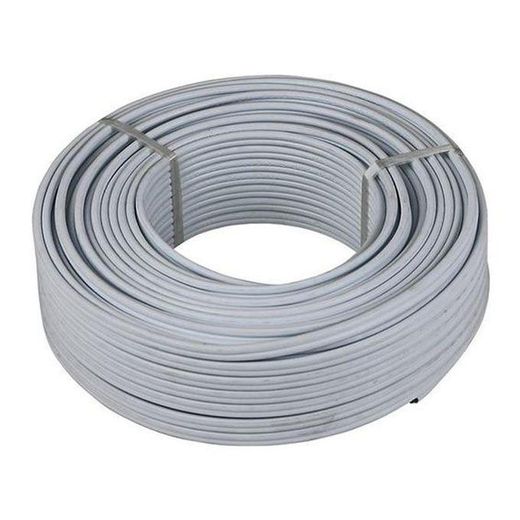
Discover our high-quality sided power cable, designed for optimal performance and durability. Perfect for various electronic devices, this power cable ensures reliable connectivity and efficient power transmission. With its robust construction and versatile compatibility, it meets the needs of both home and professional environments. Upgrade your electrical setup with our sided power cable, engineered to provide safety and stability. Shop now to experience seamless power solutions tailored to your requirements.
Express

Frequently Asked Questions about Sided Power Cable

How do I choose the right category of power cables among solid-wire, twin-core, and earth-flat options in this listing?
Start by matching the cable to your intended use and installation. If you need a fixed-wiring lead with earth protection, look for twin-core with an earth conductor and flat insulation designed for tidy routing. For detachable appliance leads, confirm the plug type and the cross-sectional area (for example 15 mm2 or 25 mm2) to handle the expected current. Length matters for safe routing, and the environment dictates insulation needs. In this listing, compare the Strong Mat Star and Strong Hardened Mat Star variants to fit your device and space.
What does the term 'Twin Cable Earth Flat' actually imply and how does it affect performance?
Twin Cable Earth Flat means two live conductors plus an earth conductor arranged in a flat profile. This design influences current capacity, electrical safety, and ease of installation in tight spaces. A larger cross-section, like 25 mm2, can carry more current with less voltage drop than a 15 mm2 lead. The flat format helps conceal the cable under carpets or along skirting boards, but it may require careful bending. Choose based on your load, routing path, and compliance with safety standards.
Which option is better for home use versus professional installations?
For common household use with kettles and everyday appliances, select earth-flat twin cables of appropriate gauge and length that fit your setup. For fixed-wiring or high-current applications, opt for heavier-duty variants advertised as 'heavy duty' or 'hardened' to ensure durability and safety. When in doubt, start with a mid-range gauge like 15–25 mm2 and a length that minimizes stretching or coil tension. Always favor cables designed for electrical safety and household use.
How should I connect and install these cables safely with appliances?
Always disconnect power before handling cables and ensure compatibility with your appliance connectors. Use the correct terminal or plug, and avoid over-stretching or pinching the insulation. Route cables away from heat sources and moisture, and secure them to prevent tripping hazards. If you’re wiring into a device or wall terminals, consult a qualified electrician. For kettle-style leads, consider the 3x15mm UK Wire Lead Cord option as a safe, plug-ready alternative.
What should I look for when assessing these brands and lengths, and how do I interpret the labels like Strong Mat Star and Twin Cable?
Look for reliable, clearly labeled products that indicate conductor type (solid-wire), cross-section size (such as 15 mm2 or 25 mm2), and earth presence. The descriptors Strong Mat Star and Strong Hardened Mat Star suggest different levels of robustness; choose according to where the cable will be used and expected wear. Longer rolls reduce the need for joins, but ensure you have a safe storage and routing plan. Always verify insulation quality and compliance with local electrical standards.
What is the key difference between the 'with Earth' variants and the standard flat variants in this listing?
With Earth variants include an earth conductor for grounding, which improves safety for devices requiring protective grounding. Flat variants describe the cable’s physical shape for easier routing in tight spaces. Depending on your installation, you may need one with earth for safety or a flat version to fit under floor coverings or along skirting boards. Choose based on device requirements, grounding needs, and how you plan to route the cable in your space.