HomeRoller for abdominal exercise

Roller for abdominal exercise

(1144 products found)

Related results:
Express

Frequently Asked Questions about Roller for abdominal exercise

How do I choose the right roller for abdominal exercise for my goals and space?
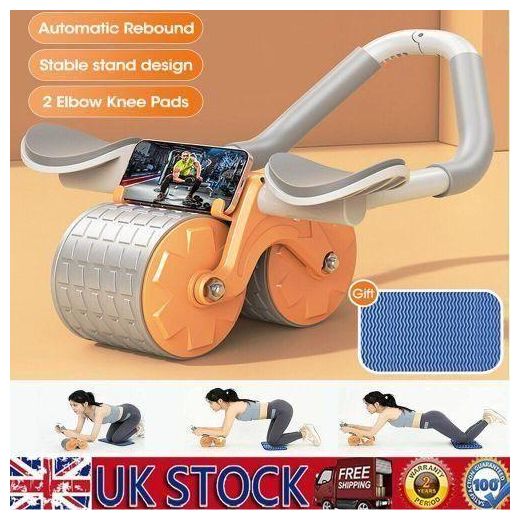
Start by matching wheel setup and comfort features to your aims and living area. If you’re new to core work, a dual‑wheel model with non‑slip handles and a knee pad offers stable guidance and knee protection for safe sessions. For more challenge or broader core engagement, four‑wheel designs provide a wider base and smoother tracking while remaining portable. Some kits are compact and foldable for easy storage, making them suitable for home workouts, gym sessions, or while traveling.
What makes wheel configurations the most complex feature to understand on ab rollers?
The most complex attribute is how wheel configuration translates to stability and control during a session. Four‑wheel designs create a wider, more stable base that reduces wobble and supports broader core engagement, while dual‑wheel setups emphasize alignment and smoother travel in a narrower footprint. Some models incorporate an auto‑rebound mechanism that guides the wheel back to the start, which can alter resistance and how you cue your movement. Grip quality and knee padding also greatly affect workout feel.
Which user scenarios suit these tools best: a beginner at home vs someone seeking a tougher challenge?
Beginners benefit from sessions at home using a secure setup: a dual‑wheel unit with a knee pad and non‑slip grip helps build a foundation safely. For more advanced trainees, four‑wheel or rebound options offer greater stability and full‑body involvement, including muscles beyond the abs, such as the chest and back. The choice depends on your current strength, space available, and whether you want a compact option or a feature‑rich design that supports varied routines.
How should I maintain the ab roller and ensure it’s ready for workouts?
Keep the wheel clean after use with a damp cloth and mild soap, especially around grooves and handles. Regularly inspect non‑slip grips and knee pads for wear and replace components if needed to prevent slipping. Store the device in a dry place to protect foam and padding materials. Use the roller on smooth surfaces to maintain stable rolling, and choose models with sturdy materials like ABS plastic, steel reinforcement, and foam or rubber padding for longevity.
What are the practical differences between dual‑wheel, auto rebound, and four‑wheel models?
Dual‑wheel models prioritize stable guidance and compact footprints, making them ideal for beginners. Auto rebound variants guide the motion back to the start, which can help maintain pace and consistency during sets. Four‑wheel models offer the broadest base for stability and can support larger ranges of motion for deeper core and hip engagement. Across these options, look for non‑slip handles and knee protection to sustain comfort while training.
What is a sensible progression plan to build core strength with these devices?
Begin with short, controlled sessions on a dual‑wheel setup while focusing on form and breathing. Gradually increase reps or add a second set, then transition to a four‑wheel model to widen the base and enhance stability. Introduce intervals or slower tempo to increase challenge without sacrificing form. Include a knee mat for protection and vary hand or stance positions to target different parts of the core, ensuring steady progress over several weeks.