HomePower source requirements

Power source requirements

(463 products found)

Discover essential insights into power source requirements for optimal performance and efficiency in your devices. Understanding voltage, current, and compatibility is crucial for selecting the right power supply. This guide covers various types of power sources, including AC, DC, and renewable options, ensuring you make informed decisions for your projects. Stay ahead in technology by mastering power source specifications to enhance reliability and safety in your electrical systems. Explore our comprehensive resources today!
Express

Frequently Asked Questions about power source requirements

How do I determine the power source needs for devices like routers and other electronics?
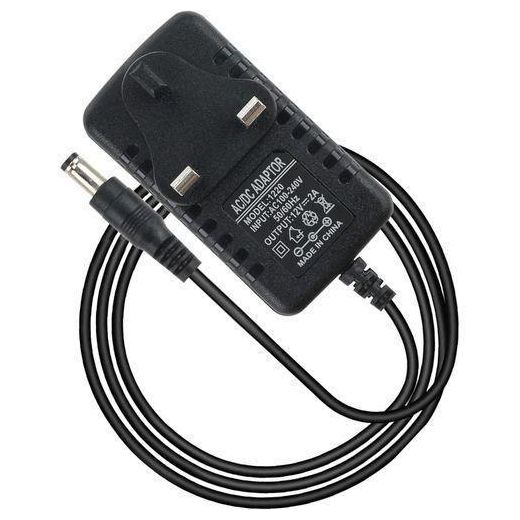
First, identify the device’s voltage and current requirements, typically printed on the device or its adapter. For common gadgets, a USB power supply with 5V to 12V output and 1A–2A current can be sufficient. Check that the power supply’s connector matches the device and that the output is stable under load. When in doubt, opt for a slightly higher current rating to avoid under‑voltage during peak usage.
What is the most complex attribute to evaluate in these power supplies, and how does it affect safety?
The most complex attribute is current capacity and voltage stability under load, especially with variable devices like routers or generators. Overloading a supply can generate heat and damage components, while undersupply can cause resets or slow performance. A supply with proper protection features, such as short‑circuit and over‑current protection, reduces risk and prolongs device life, particularly in busy or multi‑device setups.
Should I use a USB power supply or a dedicated AC adaptor for home vs office use?
For simple home setups, a USB power supply is convenient and widely available for routers and small electronics. In an office, a dedicated AC adaptor with higher wattage and robust connectors may be more reliable for continuous operation. Always match the voltage and connector type, and prefer supplies with safeguards like surge protection and certified safety marks to ensure long‑term performance.
What maintenance and compatibility steps should I follow to ensure safe operation?
Regularly inspect power cords for wear and replace damaged parts. Keep adapters away from heat sources and moisture. Ensure cables are neatly managed to prevent strain on connectors. If a device requires specific voltage, avoid using universal chargers that can oscillate voltage. Store power supplies in a dry place and keep a spare on hand for critical devices.
Which brands and series should I consider when shopping for power supplies and adapters?
Popular options include USB power supplies and adapters from brands known for reliability in electronics and office equipment. You’ll often find green or black models marketed for general gadgets, power boards, and routers. Compare output voltage, current, and safety certifications. A dependable brand with a clear warranty offers better long‑term value and peace of mind for daily use.