HomePower cable for ccd camera

Power cable for ccd camera

(426 products found)

Discover our high-quality power cable for CCD cameras, designed to ensure reliable and efficient performance. This durable cable provides a stable power supply, enhancing the functionality of your surveillance system. Compatible with various CCD camera models, it features robust connectors for secure connections and minimizes signal loss. Upgrade your security setup with our dependable power cable, ensuring uninterrupted monitoring and peace of mind. Shop now to experience superior quality and performance for your surveillance needs.
Express

Frequently Asked Questions about power cables for CCTV cameras

How do I choose the right power cable and coax for CCTV cameras and related devices?
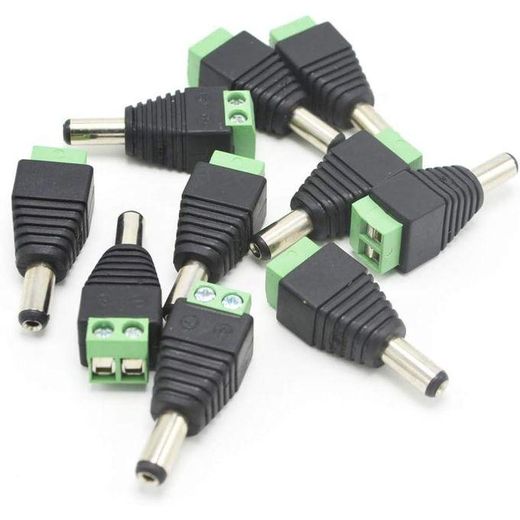
Start by matching your equipment’s needs: know the camera’s power requirement (typical 12V DC and a certain current), the required run length, and whether you want a single combined run or separate power and video lines. Seek 75-ohm RG59 for video and a robust power lead such as 18 AWG to minimize voltage drop over longer distances. For DIY setups, consider a two-in-one cable with a DC inline socket for easy connections and fewer loose wires.
What makes the two-in-one RG59 cable stand out and how should I read its specs?
The two-in-one RG59 cable carries both video signal and camera power in one run, simplifying installation and reducing clutter. Check that the video portion uses 75-ohm impedance and that the power conductor supports the camera’s current draw at 12V. Look for a PVC jacket for durability, a clear length specification, and compatible DC barrel connections. A reliable supplier will clearly list impedance, voltage, and current ratings to ensure compatibility with CCTV gear.
Should I use a two-in-one cable or separate power and video cables for a new CCTV setup, and who benefits most?
DIY enthusiasts often benefit from two-in-one cables for quick, clean installs on short to medium runs, while professional setups may prefer separate cables to maximize interference control and power reliability for demanding cameras. If your cameras draw significant current or you have long cable runs, separate, shielded lines can offer better performance. Evaluate your setup needs, run length, and the ability to manage multiple connection points when deciding.
What maintenance or compatibility tips should I follow when installing these cables?
Route cables away from mains and high-heat sources, and secure them with appropriate clips or conduits to prevent movement. Verify the 75-ohm impedance for video and ensure the DC polarity matches your camera’s input. Clean connectors with isopropyl alcohol if they corrode, and avoid sharp bends near connectors to prevent signal loss or damage. Use weatherproofing tools or enclosures for outdoor installs to extend cable life.
Which of the listed products best meets different CCTV install needs?
For a ready-to-connect setup, pair a two-in-one RG59 cable with a DC inline power socket kit to power cameras efficiently over a single run. Use the long 200-meter RG59 two-in-one variants for extended installs and choose a high-quality power lead (18 AWG or thicker) for reliable operation. Combine these with standard PVC-coated cables to maintain signal integrity and ease of installation across home or small business CCTV projects.
What safety standards or compatibility checks should I verify before buying and installing?
Ensure the product is designed for 12V DC camera systems and supports the current your camera requires (typically up to 5A). Confirm the cable uses 75-ohm impedance for video and that any inline sockets or connectors match your equipment’s barrel size. Check the jacket material (PVC is common) and whether the setup is rated for indoor or outdoor use. Finally, buy from a reputable seller to avoid counterfeit or unsafe components.