HomePlay box
Express

Frequently Asked Questions about Play box

What kinds of pretend play money boxes are available in this range?
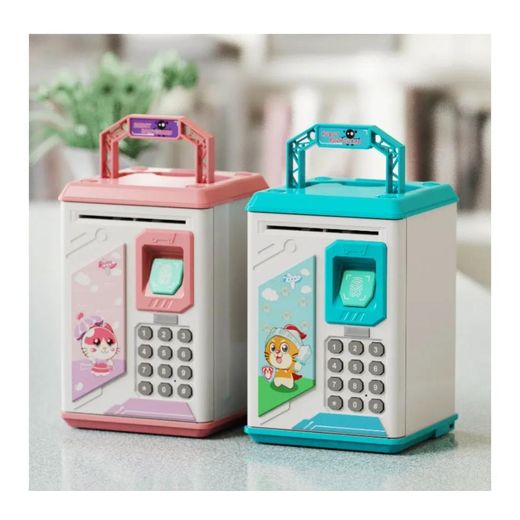
The range includes lockable tool boxes for construction play, manual piggy banks, and battery‑operated saving boxes with password locks or fingerprint access. You’ll also find role‑play kits like doctor boxes and cash boxes with tactile features such as light indicators or sounds. Materials vary from hard plastic to ABS, and sizes are designed for little hands, helping children imitate real money handling and saving activities.
Which option is best for teaching saving habits?
Saving boxes with password locks or fingerprint access plus automatic depositing features are especially effective for building saving habits. For example, battery‑operated models and electronic piggy banks create a routine for depositing coins and notes, while manual boxes encourage regular saving discipline through physical interaction and responsibility.
What safety features should I look for?
Choose boxes made from non‑toxic materials like ABS plastic and with smooth edges to prevent injuries during play. Lock mechanisms or password access add a layer of security, and designs intended for little hands often emphasize sturdy construction and stability to avoid tipping.
How interactive are these toys?
Many options offer interactive elements such as lights, sounds, or beeps, and some models feature two sound modes. Interactive features engage children in pretend scenarios, supporting language development, memory, and fine motor skills as they operate the boxes and pretend to manage money.
What ages are these toys suitable for?
These play money boxes are generally aimed at children aged around three years and above, aligning with typical early learning and pretend‑play activities. The designs emphasize safe, age‑appropriate handling and imaginative scenarios that fit preschool and early elementary play.
Are these toys suitable for Montessori‑style play?
Yes, several items in this range align with Montessori principles by promoting hands‑on, sensory exploration and practical life skills. For instance, tactile elements like lockable mechanisms and coin slots, combined with open-ended pretend play (money, banking, or doctor kits), support independent exploration and guided discovery in a classroom or home setting.