HomePipe cutter machine

Pipe cutter machine

(256 products found)

Express

Frequently Asked Questions about Pipe cutter machine

How do I choose the right pipe cutter machine for PPR, PE, and PP pipes?
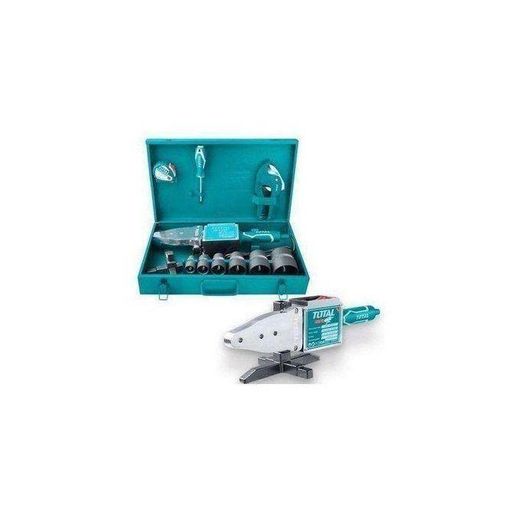
Choosing the right pipe cutter machine starts with material compatibility, power, and the included accessories. For PPR/PE/PP joints, look for models designed specifically for these plastics, such as 800W units that deliver steady heat for fusion and a clean cut. If you expect larger or more frequent jobs, higher-power kits (up to 1500W or 2000W) speed up work and handle thicker sockets. Check what comes in the bundle: measuring tape, hex key, screwdriver, and a pipe cutter are common extras; some sets also include multiple die heads or a steel box for transport.
What is the most complex attribute to consider and how does it affect performance?
Temperature control is the most complex attribute because it directly influences weld quality and safety. Look for a thermoregulator that covers a wide range (0 to 300°C is common) and an intelligent or digital display to monitor heat accurately. A precise heating cycle helps ensure sockets reach the right fusion temperature without degrading the plastic. Some bundles advertise digital displays and intelligent temperature control, which reduces guesswork and improves joint consistency across different pipe sizes (20 to 63 mm in typical kits).
Which usage scenario best fits which user type?
Professionals handling many joints and different sizes should choose sets with extra welding heads, detailed measuring tools, and sturdy storage. For example, bundles offering six welding heads covering 20–63 mm and a steel carrying box are ideal for shop or field work. DIY users tackling occasional repairs can start with simpler 800W models that include essential components like a pipe cutter and measuring tape, and may opt for a bundled cutter to save time on setups.
What maintenance and compatibility tips ensure longevity?
Maintain longevity by matching tools to the correct voltage (most units run at 220V/240V) and pipe size range (20–63 mm). After use, allow the machine to cool before wiping residue, then store in the steel box or protective housing in a dry place. Regularly inspect the heat element and insulation; avoid bending or pulling on power cords, and keep the tool clean of dust to prevent heat buildup. When upgrading, pick a model with robust cables and thermal protection features.
What accessories should I expect and how do they help?
Expect essentials and extras that speed up work. Many sets include a measuring tape for precise cuts, a hex key and screwdriver for quick head changes, and a pipe cutter for immediate use. Some higher-end bundles add multiple welding heads (ranging from 20 mm to 63 mm) that cover a wider range of pipes without swapping tools. A durable steel box helps protect components during transport and storage, while dedicated die heads reduce downtime between joints.
Which product would you recommend for a beginner vs a pro?
For beginners or light-duty tasks, start with an 800W model that handles PPR/PE/PP 20–63 mm with basic extras, ensuring easy handling. For professionals or frequent users, choose a 1500W or 2000W kit with several welding heads and a sturdy carrying case to handle diverse joints and higher workloads.