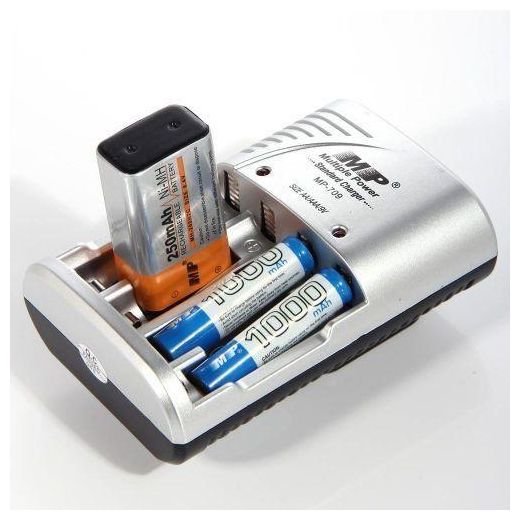
HomeMulti stage charging process

Multi stage charging process

(1000 products found)

Discover the benefits of the multi-stage charging process, an advanced method designed to optimize battery performance and longevity. This systematic approach involves several phases, including bulk, absorption, and float charging, ensuring batteries are charged efficiently and safely. By regulating voltage and current, the multi-stage process minimizes overheating and extends battery life, making it ideal for various applications. Enhance your understanding of this technology and its impact on energy management and sustainability.
Express

Frequently Asked Questions about Multi-Stage Battery Chargers

How do I choose the right charger category for my batteries and devices?
Choose the charger category by matching it to your battery sizes and chemistry, how many you need to charge at once, and where you plan to use it. For everyday household use, a multi-slot NiMH/NiCd charger from trusted brands like bolaimei or generic suppliers is convenient. If you need off-grid charging, consider solar chargers. Always verify compatibility with AA, AAA, and 9V batteries and look for clear indicators, safe auto shutoff, and robust construction in ABS-plastic or metal bodies.
What makes the Multi-Stage Charging Process crucial for battery longevity?
The multi-stage charging process guides the battery through different phases that optimize performance and lifespan. It typically includes bulk, absorption, and float or trickle stages, reducing overcharge and heat buildup. This approach protects nickel-based and rechargeable chemistries and minimizes energy waste. Brands such as bolaimei implement this in compact intelligent chargers to maintain voltage accuracy, monitor temperature, and automatically adjust current, helping your batteries stay healthy and ready for longer intervals between uses.
Should I base my purchase on battery sizes like AA/AAA/9V and the number of slots?
Yes, choose a charger that supports the battery sizes you own and offers enough slots for your typical load. If you regularly manage multiple devices, a charger with several independent slots provides safe, individual monitoring for each battery. Look for chargers that explicitly state support for AA, AAA, and 9V sizes and avoid models that force you to mix incompatible cells. This ensures efficient charging without degrading other batteries in the same unit.
What safety and compatibility features should I look for in a high-quality charger?
Prioritize automatic shutoff, temperature sensing, short-circuit protection, and overcharge protection. A good charger should clearly indicate charging status with LEDs and prevent charging when a battery is misaligned. Check compatibility with NiMH, NiCd, and alkaline cells where appropriate, and ensure the device uses a rugged build with reliable connectors. Trusted brands, such as bolaimei or multipower options, typically include safety features and durable casings to withstand daily use.
How do different brands influence performance and reliability when buying a charger?
Brand reputation matters for long-term reliability and safety. Reputable brands invest in smarter charging algorithms, stable power delivery, and durable housings. Look for known series like compact intelligent chargers and multi-stage models from brands such as bolaimei or generic-line offerings that emphasize safety and ease of use. Customer reviews and warranty length can be good indicators. Avoid off-brand models with flimsy construction or vague specifications, which may fail to protect batteries or could pose safety risks.
Is a solar charger a good option for charging batteries on the go, and when should I consider it?
A solar charger is a practical option when you spend time away from outlets or want off-grid charging for rechargeable batteries. It works best in bright, direct sunlight and is often paired with robust panels and solar charge controllers. For steady, indoor use, traditional wall or USB chargers are more reliable and faster. If you travel or work in remote locations, a solar charger from the generic or solar-chargers category can supplement your routine, though expect slower charging compared to mains-powered units.