HomeMoisture meter probe

Moisture meter probe

(782 products found)

Express

Frequently Asked Questions about Moisture meter probe

How do I choose the right moisture meter probe for grain testing?
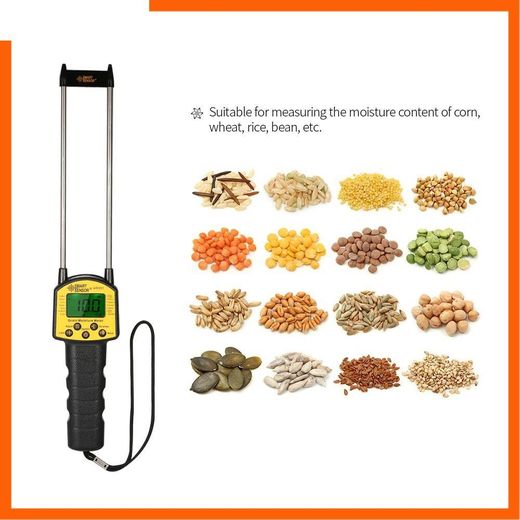
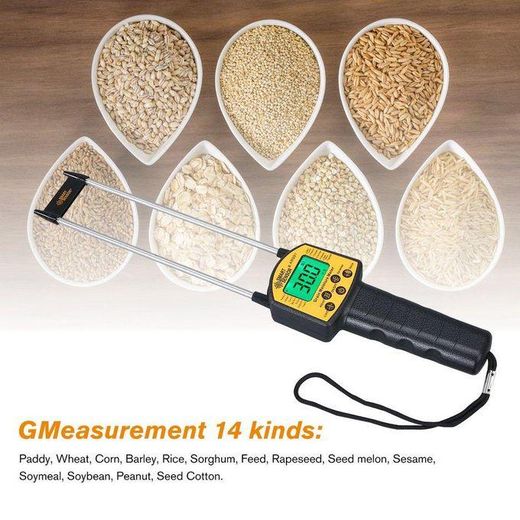
Choose a probe designed for grain work, with a length around 220–230 mm to reach representative depths. Look for models offering a double-probe design for more stable readings and a resistance-based measuring method for accuracy. Ensure the device supports testing across multiple crops—at least 14 types—and provides a clear LCD or backlit display. Battery compatibility is important, with common power options being AAA or AA cells, and features like memory and alarms can help you track moisture over time during drying cycles.
Why is probe length important and how does it affect readings?
Longer probes reach deeper into bulk material, yielding more representative moisture samples than a short probe. A 220–230 mm length balances reach with handling comfort, reducing edge effects where surface moisture differs from interior. This becomes critical in bulk grains where uniform moisture is essential for safe storage. When evaluating meters, confirm the specified probe length and that the meter uses a reliable sampling principle to provide consistent results across different crops.
What usage scenarios suit probe-based meters: farming vs storage facilities?
Farmers benefit from portable, easy-to-read probes with memory and alarm features, ideal for quick checks in fields or sacks. In storage facilities or mills, a probe with durable construction, backlit display, and precise 0.1% resolution helps staff verify moisture levels in bins or bags. A dual-probe design can improve accuracy in bulk testing, supporting informed decisions about drying, conditioning, or stacking to minimize spoilage.
How should I care for the probes and power supply?
Keep probes clean and dry after each use; wipe away dust and grain residues with a soft cloth. Avoid exposing probes to moisture or corrosive substances. Store with fresh batteries installed to prevent contact corrosion, and replace any worn cables promptly. If your device offers automatic power-off, rely on that to save energy, and always switch off before storage. Regularly inspect the probe tip for signs of wear and replace it if performance declines.
What are the common measurement ranges and how should I interpret them?
Probes typically measure moisture across a range like 7.5%–50%, with some variants covering 5%–30% or more, depending on crop and model. Readings usually come in 0.1% increments, allowing precise tracking of drying progress. Many devices include a deviation adjustment feature (often 3% to +5%) and an audible alert to signal when your target moisture is reached. Interpreting the numbers in conjunction with your crop’s storage guidelines will help optimize drying times.
What brands commonly offer moisture meters with probes and how do they differ?
Notable brands include SMART SENSOR and BENETECH. SMART SENSOR tends to emphasize robust, dual-probe designs and user-friendly interfaces that suit frequent field checks. BENETECH models often feature high-precision readings, backlit displays, and audible alarms, useful for dim storage areas. Other generic options might focus on affordability with standard LCDs. When choosing, compare probe length, crop coverage, alarm capabilities, and memory features to find a model that fits your workflow.
Do these meters also measure temperature, and if so, how is that useful?
Some probe-based meters add temperature measurement alongside moisture to aid drying decisions, with readings shown in a compatible temperature range (for example, 14–140°F). Temperature data helps interpret moisture readings more accurately since grain moisture behavior changes with heat. If your workflow benefits from temperature context, select a probe meter that clearly states temperature measurement capability in its specifications and provides an easy way to view both moisture and temperature readings.