HomeMini split with variable btu ratings

Mini split with variable btu ratings

(141 products found)

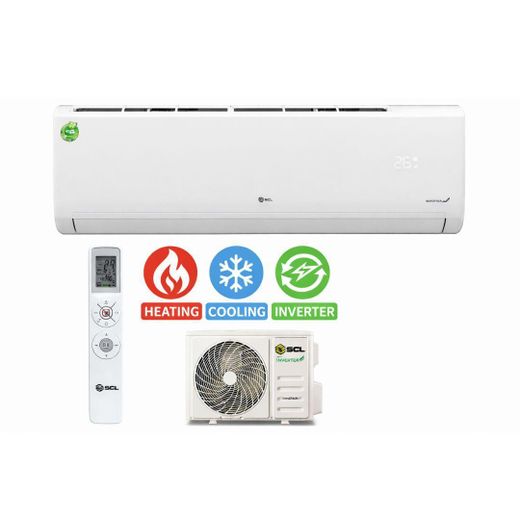
Discover the versatility of mini splits with variable BTU ratings, designed to efficiently cool or heat spaces of any size. These advanced systems offer customizable comfort, ensuring optimal temperature control while minimizing energy consumption. Ideal for residential and commercial applications, our selection features top brands known for reliability and performance. Upgrade your climate control solutions today with a mini split that adapts to your needs, delivering consistent comfort year-round. Explore our range now!
Express

Frequently Asked Questions about Mini Split / Split-System Air Conditioners

How do I choose the right mini split or split-system air conditioner for my space?
Start by assessing the room size, insulation, and typical climate you experience. A 12,000 BTU unit is common for medium rooms, but you may need more or less depending on sun exposure and ceiling height. Decide between inverter and OnOff models; inverter variants save energy and provide smoother cooling, while OnOff are usually simpler and cheaper upfront. Choose a reputable brand such as von, smart-pro, or hisense, and consider noise levels, warranty, and service support. Finally, plan for professional installation to ensure optimum performance.
What is inverter technology in these 12k BTU units and why does it matter?
Inverter technology continuously adjusts the compressor speed to match cooling demand, which reduces energy use and keeps temperatures steady. This leads to lower running costs, less temperature fluctuation, and quieter operation compared to traditional OnOff units. Inverter models also tend to handle humidity more effectively and respond quickly to changing conditions. While they often cost more upfront, the long-term savings and comfort improvements are meaningful, especially for frequent or long-duration cooling in homes or offices.
For a beginner shopper, should I pick a basic OnOff unit or an inverter model?
For a beginner, an inverter model is usually the smarter long-term choice because it delivers stable cooling and lower energy bills, helping offset a higher initial price. If you live in a climate with variable temperatures or use the AC for extended periods, the savings and comfort advantages are noticeable. If budget is the primary constraint, an OnOff unit can still meet essential cooling needs, but be prepared for higher energy usage during peak workloads.
What installation and maintenance steps ensure safe operation?
Ensure professional installation by a licensed technician, as correct refrigerant charging and outdoor unit placement are critical for performance and safety. The indoor unit should be mounted with proper clearance from walls and ceilings, and the outdoor unit needs adequate ventilation and drainage. Regular maintenance includes cleaning or replacing air filters monthly, inspecting electrical connections, and checking for unusual noises or vibrations. Schedule periodic checkups to prevent leaks and ensure optimal efficiency, especially in hot, dusty environments.
What should I know about warranty and after-sales service for brands like von, smart-pro, and hisense?
Warranties typically cover compressor and parts for a defined period, with service networks and authorized centers available in many regions. Look for clear coverage terms, what constitutes misuse, and whether free maintenance visits are included. Choose brands with broad after-sales service and easy access to spare parts. Registration and proof of installation sometimes influence warranty validity, so keep purchase records and ensure you have a local service channel you can rely on for support and repairs.
How can I estimate running costs and compare energy efficiency among 12,000 BTU units?
Estimate running costs by considering the unit’s average running power, hours of use, and your local electricity rate. Inverter 12,000 BTU units typically operate at lower average power than non-inverter models, reducing daily and monthly costs when used regularly. Use the hourly energy consumption figure provided by manufacturers as a baseline, then multiply by daily usage and rate. Compare these figures across brands to determine which option aligns with your budget and climate needs, keeping in mind long-term savings.