HomeMidi keyboard controller

Midi keyboard controller

(259 products found)

Express

Frequently Asked Questions about Midi keyboard controller

How do I choose the right MIDI keyboard controller for my setup?
Start with the number of keys and how the key feel matches your playing style. Compact options like 37 keys are great for melodies on the go, while 49- and 61-key models give more range for chords and bass lines. If you work with Ableton Live, look for controllers with tight software integration such as the Launchkey MK3 family, which unlocks functions like Capture MIDI, track arm, quantise, click and loop controls. Consider also pads, knobs and ports to suit external gear as your needs grow.
What makes the most complex control features on these devices and why do they matter?
The most powerful differences come from software integration and control surfaces. Controllers like Launchkey MK3 offer direct Ableton Live access (Capture MIDI, track arm, quantise, click, loop), while models such as the 37 MK3 add 16 RGB backlit pads, 8 knobs and a 5‑pin MIDI out socket. These features let you run clips, tweak parameters, and control external gear without leaving your DAW. For hands‑on sequencing, a unit with a built‑in arpeggiator or sequencer can dramatically speed up your workflow.
Which of these controllers is best for a home studio beginner using Ableton Live versus a performer needing external gear integration?
For Ableton Live beginners, the Launchkey MK3 line is ideal because it provides native Ableton integration and easy session controls like Capture MIDI and loop controls. If you need external gear connectivity and sequencing, the Behringer SWING or hybrid AKAI options offer CV/Gate connections, a 64‑step sequencer, and arpeggiator features that work well with synthesizers and drum machines. If portability is key, 25‑ to 37‑key models from AKAI or M‑Audio offer compact form factors without sacrificing essential controls.
How should I maintain and connect my MIDI controller to other gear?
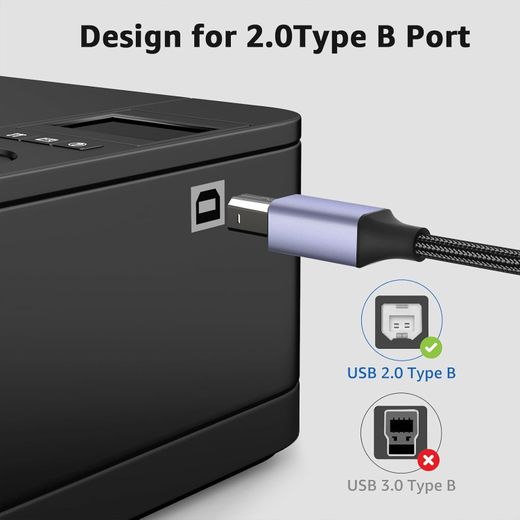
Keep your USB or USB‑B connection secure and use the appropriate ports as designed: many units connect to a computer via USB, with options like 5‑pin MIDI Out for external synths and 1/4
Is a 32-key or 37-key model sufficient for beginners?
Yes, a smaller keyboard can be ideal for beginners who prioritize portability and basic melodic creation. The 37-key MK3 model provides velocity-sensitive keys and essential controls like octave shifting, a pitch/modulation pair, and a common USB B connection, making it easy to practice and build confidence before expanding to larger layouts. If your needs grow, you can easily transition to 49‑ or 61‑key options that offer more range for chords and complex passages while still retaining DAW integration and control features.
Are there controllers in this range with pads and knobs to speed up music production?
Several models combine keys with pads and knobs to accelerate workflow. For example, the 37 MK3 offers 16 RGB backlit velocity‑sensitive pads and 8 knobs for peripheral control, while 49/61-key variants provide additional knobs and transport style functions through USB connectivity. These elements let you trigger clips, adjust virtual instrument parameters, and mix within your DAW without switching devices. Choosing one with pads helps you manage drums and rhythm parts directly from the controller.