HomeMakeup tool cleaning

Makeup tool cleaning

(1613 products found)

Express

Frequently Asked Questions about Makeup tool cleaning

Why is cleaning makeup tools essential for skin health and makeup performance?
Cleaning makeup tools is essential because it removes bacteria, oils, and product residue that can accumulate with use. Regular cleaning prevents breakouts and ensures makeup applies smoothly rather than clinging to old product. For brushes and sponges, routine cleansing helps preserve brush hairs and sponge integrity, maintaining precise application and extending tool life. By keeping tools clean, you’ll experience more even color payoff, better texture, and a lower risk of irritation or infection on sensitive skin.
What is the best method to clean brushes and sponges for daily use?
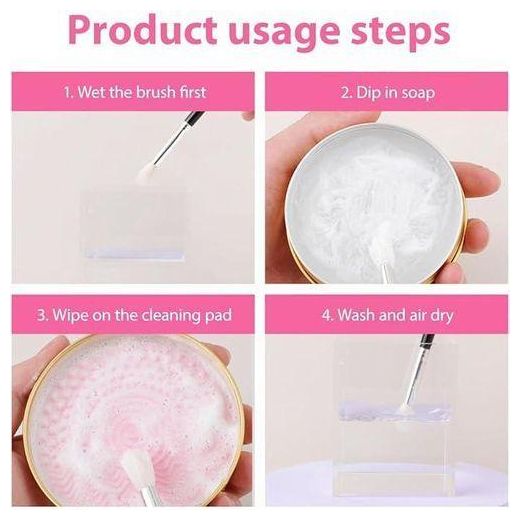
The best method starts with rinsing brushes or sponges under lukewarm water to loosen makeup, followed by a gentle soap or brush cleanser. Gently swirl and work up a lather, then rinse until the water runs clear and all soap is gone. After cleansing, gently squeeze out excess water and lay flat on a clean towel to air-dry. Ensure tools are completely dry before reuse to prevent mold, bacteria growth, and damage to bristles or foam.
How often should different makeup tools be cleaned to stay sanitary?
Brushes should be cleaned at least once a week with heavy usage and after makeup removal periods to prevent buildup; sponges should be washed after each major makeup session and replaced regularly if they show wear. Eyeliner or specialty tools may benefit from brief weekly sanitizing in addition to cleansing. Establish a routine that aligns with your usage frequency, ensuring every tool reaches a clean surface and dries fully before next use.
Can I use household cleaners, or should I use specialized products for cleaning tools?
Using mild dish soap, gentle facial cleansers, or a dedicated brush cleanser works well for most brushes and sponges. These options are effective at breaking down oils and pigments without harming bristles or sponge integrity. Avoid harsh household cleaners or bleach, as they can degrade bristles and irritate skin. For deep cleaning, consider a sanitizer or alcohol-based solution applied to a cloth, especially for disinfecting frequently used tools.
How should I dry and store makeup tools after cleaning to extend their life?
After cleaning, lay items flat on a clean surface with bristles or foam facing downward to allow full drainage and air-drying. Store brushes in a dry, well-ventilated area away from moisture to prevent mold and odor. Avoid storing tools while damp or in closed containers that trap humidity. Regularly inspecting bristles for shedding and replacing worn sponges or brushes will keep your makeup routine hygienic and effective.
What common mistakes should I avoid when cleaning makeup tools?
Avoid soaking wooden handles or non-waterproof components, as prolonged moisture can damage glue and structure. Do not leave tools soaking in water, which can loosen ferrules or degrade bristles. Refrain from using hot water or aggressive scrubbing on delicate brushes, which can fray hairs. Finally, never share contaminated tools; after cleaning, sanitize and designate a personal set to minimize cross-contamination risks.