HomeLow power consumption decoder

Low power consumption decoder

(75 products found)

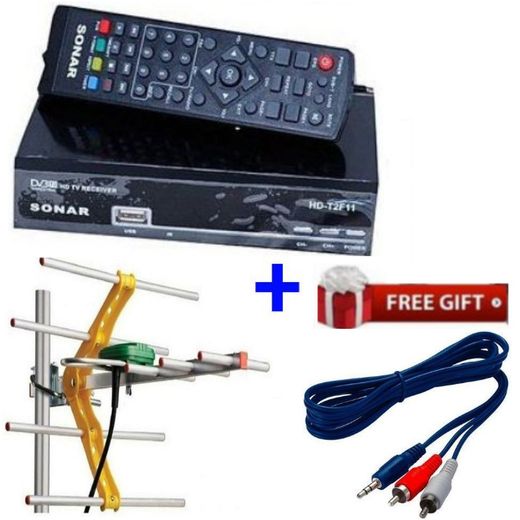
Discover the advantages of our low power consumption decoder, designed to enhance your viewing experience while minimizing energy usage. This efficient device delivers high-quality video and audio output, making it perfect for home entertainment systems. With its eco-friendly technology, you can enjoy your favorite shows without worrying about high electricity bills. Ideal for both casual viewers and tech enthusiasts, our decoder combines performance with sustainability, ensuring you stay connected without compromising on energy efficiency.
Express
12

Frequently Asked Questions about Low Power Consumption Decoders

How do I choose the right digital TV decoder for my setup while keeping power use low?
Begin by evaluating power consumption ratings, supported standards, and ease of installation. A decoder labeled energy-efficient typically reduces standby draw and running power. Match the unit to your aerial type and whether you need HD output, USB recording, or HDMI connectivity. Consider brands known for reliability in the analog-to-digital space and opt for those offering straightforward menu navigation and robust parental controls. This helps you get stable reception with minimal electricity use.
What makes DVB-T2 decoders different from older DVB standards, and why does it matter?
DVB-T2 decoders deliver higher efficiency and clearer HD broadcasts compared with older standards, enabling better reception with less bandwidth. This matters for picture quality, channel availability, and future-proofing your setup. Look for HDMI output for easy TV connection, USB PVR for recording, and 12V power compatibility if you plan to run it from basic outlets. A decoder with DVB-T2 support ensures you can access current Free-To-Air channels reliably.
Which usage scenario fits a basic home setup versus a power-user setup?
A basic home setup benefits from a compact, easy-to-use decoder with essential features like HDMI output and straightforward channel scanning. A power-user setup may require extra outputs (HDMI, USB), advanced parental controls, and reliable signal processing for multiple channels. If you frequently switch between channels or want recording options, choose a decoder marketed for reliability and flexible connectivity. Always ensure compatibility with your TV and antenna system before purchasing.
What maintenance or compatibility steps keep decoders running smoothly?
Keep firmware updated if the model supports it, and use a stable power source to prevent drops that could disrupt updates. Connect the aerial properly and avoid overlapping signal sources. Use the provided remote controls and if needed, pair a universal remote for convenience. Regularly check for loose cables and clean any dust from ports with a dry brush. Confirm that the decoder supports your preferred channels and recording formats.
Are there features that help families or shared households?
Many decoders offer parental controls and multi-channel support that suit households with varied viewing needs. Look for user-friendly menus, easy channel setup, and reliable signal handling to minimize setup time. Some models also include energy-saving modes that reduce power consumption during idle periods. If you have kids or multiple TVs, prioritize a unit with straightforward controls and broad channel compatibility.
Should I lean toward a brand with longer warranty or better after-sales support?
Opt for brands known for solid customer service and warranty coverage, as this reduces long-term headaches if issues arise. A longer warranty typically reflects confidence in build quality and easier access to parts or support. Compare what’s included in the package—remote, cables, and any service terms—to avoid hidden costs. Prioritize a decider that offers replacement parts, accessible support, and clear returns policy for peace of mind.