HomeHeat press temperature range

Heat press temperature range

(1000 products found)

Discover the optimal heat press temperature range for various materials to achieve flawless results in your printing projects. Understanding the ideal temperatures ensures vibrant colors and durable designs, whether you're working with cotton, polyester, or specialty fabrics. Our comprehensive guide provides insights into recommended settings, helping you avoid common pitfalls and achieve professional-quality transfers. Elevate your crafting and business endeavors by mastering the heat press temperature range for exceptional outcomes every time.

Frequently Asked Questions About heat press temperature range

How do I choose the right heat press category for my projects based on the heat press temperature range and other factors?
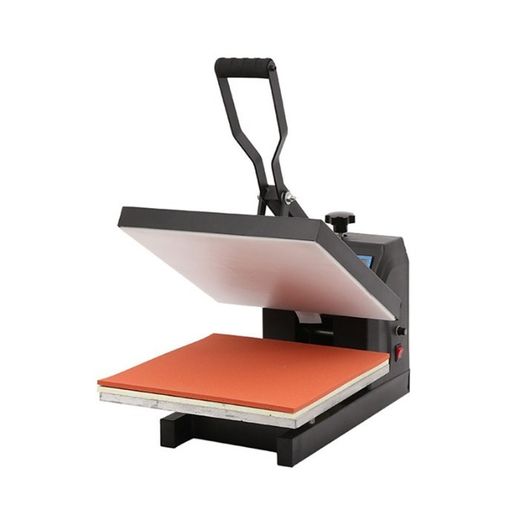
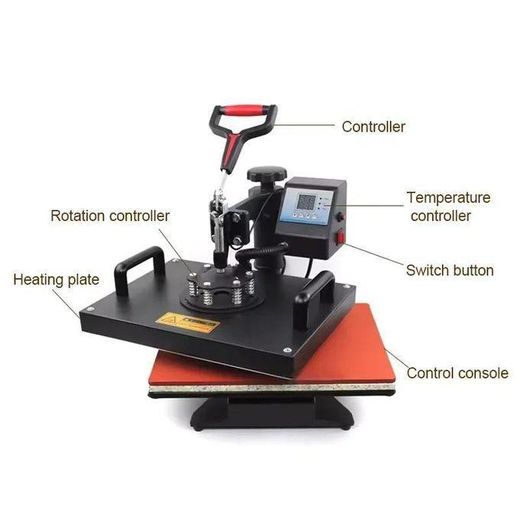
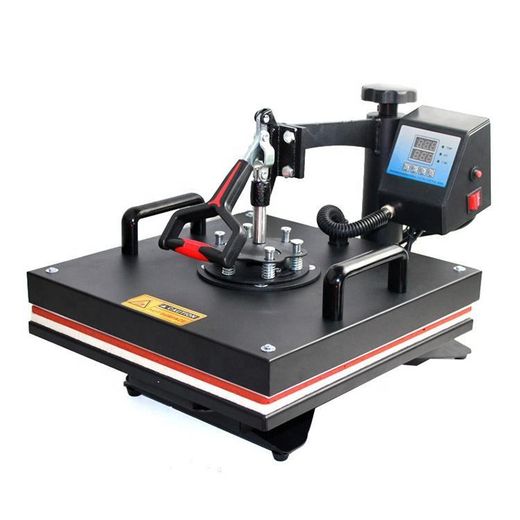
Start by defining your project type, such as T shirts, mugs, or hats, and confirm the heat press temperature range you will need. Then evaluate platen size, swing‑away versus flat design, control method (digital temperature readouts), and compatibility with transfer materials. Look for options like 8 in 1 combos or professional flat presses that offer adjustable temperature ranges to match your most common tasks. This approach helps you pick a category that balances capabilities with the items you most often craft.
What is the most complex aspect of the heat press temperature range to understand when you have digital temperature control?
Focus on accuracy and uniformity of the heat press temperature range across the platen. Digital controls show a setpoint, but the actual platen temperature can drift or vary across edges. To manage this, consider how the machine senses temperature, warm‑up time, and the ability to calibrate; look for a tolerance around a few degrees and plan preheating and test runs to ensure consistent results.
How should beginners and pros approach using the heat press temperature range for common tasks like T shirts versus mugs?
Beginners should stay toward the lower end of the heat press temperature range for T shirts to avoid scorching fabrics, while professionals working on mugs or plates typically operate near the upper end of the range. Always align the set temperature with the transfer instructions and adjust dwell time and pressure accordingly for each material and accessory.
What maintenance and compatibility steps should I follow to preserve an accurate heat press temperature range?
Regularly clean the heating platen and ensure there is no residue that could affect heat transfer. Verify the machine is operating on the correct voltage and that fittings or mounting are secure. Use compatible mats and attachments, and keep the temperature controls clean and responsive to avoid drift that could skew the actual temperature range.
How do accessories and brands influence the heat press temperature range, especially with 8 in 1 combos versus dedicated flat presses?
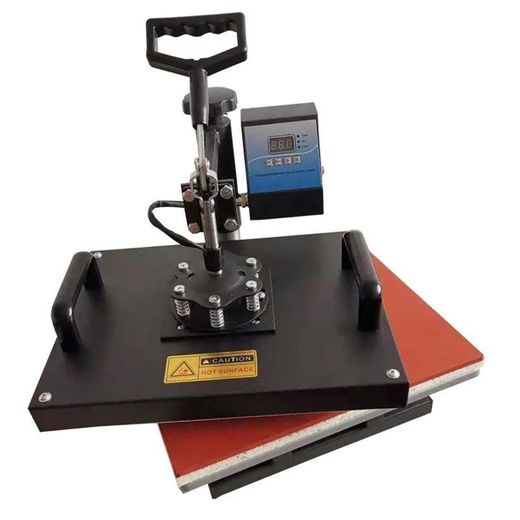
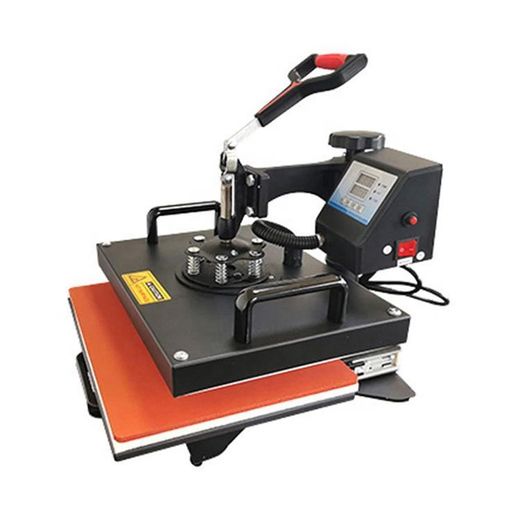
Accessories and brand variations determine the recommended temperature ranges for different tasks. An 8 in 1 combo or similar multi‑attachment models offer different platens (for hats, mugs, plates) each with its own target temperature range; always consult the guide for the exact temps and avoid applying a single setting across all attachments. Brands with digital temperature control typically provide clearer ranges and easier calibration.
What practical steps can I take to verify the heat press actually reaches and holds the correct temperature range before starting a project?
Preheat the press and verify platen temperature with an accurate infrared or surface thermometer against the target range. Run a test on a scrap sample to check for consistent heat transfer, then observe for temperature drift during a full cycle. If you notice discrepancies, recalibrate or adjust dwell time and pressure to maintain the intended temperature range.