HomeHand trainer

Hand trainer

(684 products found)

Express

Frequently Asked Questions about Hand trainer

How do I choose the right hand trainer for my needs?
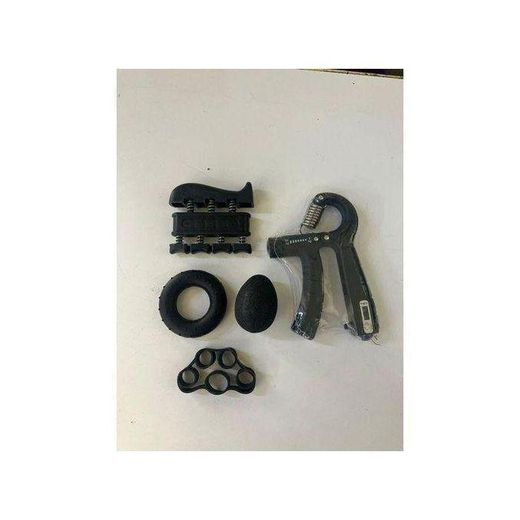
Start by defining your goal: sport performance, rehabilitation, or finger dexterity. Silicone finger extensor trainers (adjustable) suit rehab and gradual strength work, as shown by models described as lightweight, portable, and designed for grip extension. If you want a comprehensive set with multiple grips and counters, a 5-in-1 hand grip set provides wrist, forearm, and hand exercisers with a counter. For athletes and musicians, look for devices advertised for rock climbing, guitar, or piano practice and check the material (silicone or metal) for comfort and durability.
What is the most complex feature to understand in these devices?
The most complex feature is adjustable resistance and multi-component configurations. Some models offer multiple gears (6-gear or 6-level) to tailor intensity, while others include a built-in counter to track reps. The 5-in-1 sets combine several elements—gripper, finger exerciser, finger stretcher, resistance ring, and therapy ball—into one kit. Understanding how to sequence exercises with different gears and components helps you progressively build grip strength and finger flexibility safely.
Which option fits which user scenario?
For rehab or autism therapy, options marketed as Finger Strengthener and Hand Grip Trainer with multiple gear levels are ideal, as they support progressive resistance and finger mobility. For athletes or musicians needing broader conditioning, the 5-in-1 adjustable grip sets with counters provide a versatile toolkit for wrist, forearm, and finger strength. Casual users or beginners can start with a simple silicone finger extensor trainer and gradually move to multi-gear devices as grip demands increase.
How should I care for and maintain hand trainers?
Rinse after use with mild soap and warm water, then air dry completely to prevent odor and material degradation. Avoid storing in damp environments and inspect moving parts for any loosening or wear. Choose models made from non-toxic materials like silicone or PVC, which are described as odorless and safe. Proper drying and gentle cleaning extend life, while keeping hands comfortable during extended sessions.
What size or type is best for travel or home use?
Compact silicone finger extenders are great for travel due to their lightweight construction. Multi-piece sets with a carrying bag, such as 5-in-1 grip kits, provide versatility at home and on the go, though they may be bulkier. If you train intensively, larger models with higher resistance levels and counters can track progress more effectively. Consider your space, routine, and whether you’ll benefit from a counter to monitor repetitions.
What results can I expect and how should I use them?
Expect improved grip strength, finger dexterity, and overall hand function with consistent use. These trainers are suitable for rehab, sports preparation, and therapy, with some models explicitly noting benefits for autism therapy. Begin with light resistance and short sessions, then gradually increase as you gain confidence. Pair with a structured routine—reps focused on extension, grip, and finger isolation—to see steady improvements in endurance and coordination.