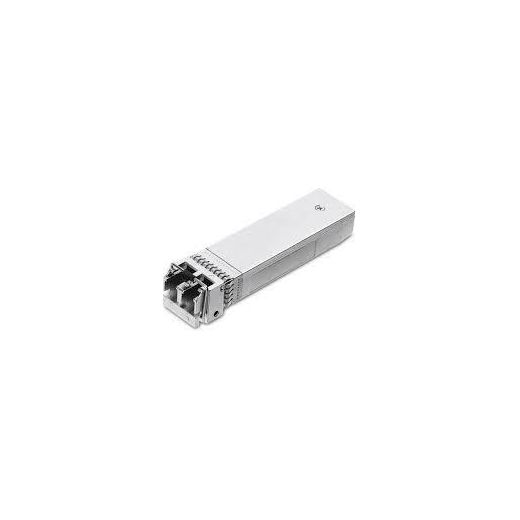
HomeFiber optic transceiver

Fiber optic transceiver

(22 products found)

Frequently Asked Questions about Fiber optic transceiver

How do I choose the right fiber optic transceiver or cable for my network setup?
Begin by matching connector type, fiber type and distance to your equipment. For example, SC/APC connectors with yellow 3m fiber cables are designed for linking to specific transceiver equipment often used in high-speed networks. If you’re setting up multi-mode links, MMF transceivers and cables support distances up to several hundred meters, while SFP-based transceivers handle gigabit or multi-gigabit links depending on the module.
What are the key differences between SC/APC and LC connectors and between MMF and SMF fibers?
SC/APC connectors are common on certain high-precision links, while LC connectors are compact and widely used on SFP modules. MMF (multimode fiber) tolerates easier handling and is suitable for shorter distances, such as hundreds of meters, whereas SMF (single-mode fiber) enables longer-distance links. The choice affects distance, compatibility with transceivers, and the overall network topology.
Why is hot-swappability an important feature in fiber transceivers?
Hot-swappability lets you replace transceivers without powering down the system, reducing downtime and maintenance disruption. This capability is highlighted in several models described as hot-pluggable, enabling smoother upgrades and easier field servicing while keeping network operations uninterrupted.
How does data rate influence which transceiver I should buy?
Higher data rates require compatible transceivers and optical modules designed for those speeds. For instance, 1.25 Gbps transceivers suit Gigabit Ethernet setups, while 10 Gbps transceivers handle 10GBASE-SR with corresponding MMF or SMF fiber and distance capabilities. Align the module’s rate with your switches or routers to avoid bottlenecks.
What should I check to ensure compatibility with my devices and network infrastructure?
Verify the module’s standard (for example 1000BASE-SX, 10GBASE-SR or similar), fiber type (MMF/SMF), connector type (SC/APC or LC), wavelength (850nm or 1310nm), and supported distance. Also confirm DDM/DOM or monitoring features if you require real-time diagnostics, as some models advertise these capabilities to help manage network performance.
What maintenance tips help prolong the life of fiber transceivers and cables?
Handle components with care, avoiding bending beyond the recommended radius and protecting connectors from dust. Use proper cleaning tools and avoid touching the fiber end-faces. When not in use, store transceivers in anti-static conditions and keep connectors clean to maintain optimal light transmission and signal integrity.