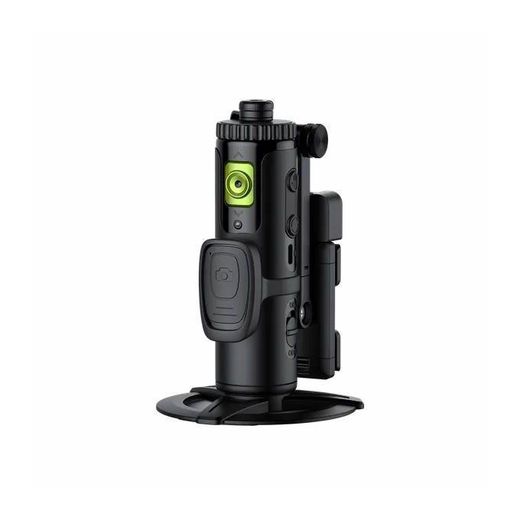
HomeEye tracker device

Eye tracker device

(60 products found)

Discover the cutting-edge eye tracker device designed for precision and performance. This advanced technology enables accurate gaze tracking, enhancing user interaction and data analysis in various applications, from research to gaming. With its ergonomic design and seamless integration capabilities, the eye tracker device offers unparalleled insights into user behavior and preferences. Ideal for professionals seeking to elevate their projects, this device is a game-changer in understanding visual attention and engagement. Explore its potential today!
Express
12

FAQs About Eye Tracker Devices

What is an eye tracker device and what can it do for me?
An eye tracker measures where you look and for how long, collecting gaze data and pupil metrics. It enables studies in usability, gaming, accessibility, and research by revealing attention focus and decision points. You can use mobile or desktop configurations depending on the model, with software that visualizes heatmaps and scan paths. For beginners, look for user-friendly calibration and clear tutorials; for professionals, seek high sampling rates and robust data export options.
What features should I look for when buying an eye-tracker for mobile or desktop use?
Key features include sampling rate, spatial accuracy, and calibration ease. Higher rates yield smoother gaze data, while accuracy affects precision in small targets. Device compatibility with your computer or smartphone and reliable software support are essential. Portability matters for on-the-go tasks. If you’re working in UX or research, ensure data export formats are compatible with your analysis tools and that the setup is straightforward for participants.
How suitable are eye trackers for beginners versus pros?
Beginners benefit from simple setup, guided calibration, and intuitive analysis dashboards to learn gaze behavior quickly. Pros look for precise calibration, advanced metrics, scripting capabilities, and deeper control over data sampling. Depending on your project, choose a device that provides a practical balance of ease-of-use and data depth, with software that scales as your skills grow.
What are common use cases for eye trackers in gaming or research?
In gaming, eye trackers enable gaze-based control, attention analysis, and more immersive experiences. In research, they reveal user attention, reading patterns, or interface usability. Marketers use gaze data to evaluate ad effectiveness, while accessibility projects leverage eye-tracking for alternative input methods. The right device and software combination helps translate gaze data into actionable insights for product design.
Are there privacy or safety considerations with eye-tracking devices?
Eye-tracking collects sensitive data about attention and behavior, so obtain informed consent and explain how data will be used and stored. Protect personal data with secure software and limit data access to authorized users. Avoid sharing raw gaze data without consent, and be mindful of how results could influence user experiences or decisions in trials and studies.
How do I set up an eye tracker with my computer and software?
Install the device’s software, connect the hardware, and run the calibration routine with a few test tasks. Ensure display settings are correct and that the software can capture the data you need. Save calibration profiles for different users and environments, and regularly update drivers and software to maintain accuracy. A well-calibrated system improves reliability and simplifies analysis for your projects.