HomeDigital computing scale with arm

Digital computing scale with arm

(301 products found)

Frequently Asked Questions about Digital computing scale with arm

How do I choose the right digital computing scale with arm for my needs?
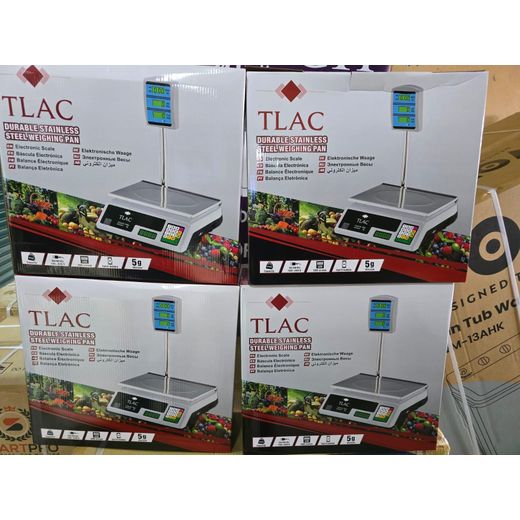
Choose the right digital computing scale with arm by matching capacity, arm presence, display features, and your work environment. For example, scales that support up to 40 kg are common for homes, small shops, kitchens, or markets, while some models emphasize a raised display arm for easy customer viewing. Decide whether you need a price computing function that adds weight-based price to the total, or a simple weight readout. Look for a durable metal base, and a power option that fits your locale (many models use AC 220–240V).
What is the most complex attribute to consider on these scales, and why?
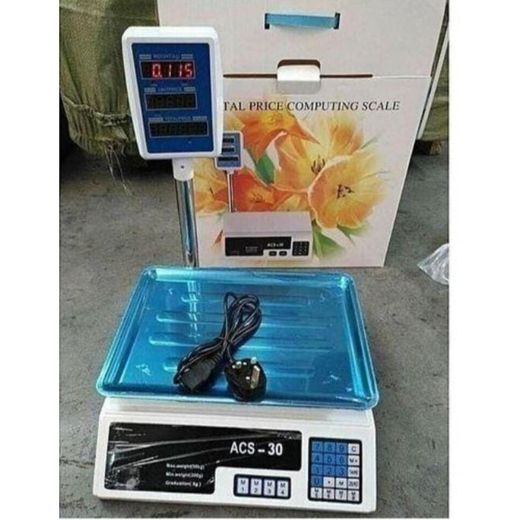
Most complex attribute is the price computing capability combined with the readability of multiple displays. Some models calculate total price by multiplying weight by unit price, and show weight, unit price, and total in separate fields. For example, a 40 kg scale can show a 5-digit weight, a 5-digit unit price, and a 6-digit total amount, with a backlit LCD for clear viewing. This feature speeds up checkout and reduces errors in busy shops. Also consider whether the arm/support and platform size suit your items.
Which usage scenario fits these scales best, home kitchens or small shops?
These scales suit both households and small businesses, depending on the model. For homes and small kitchens, you can rely on compact 40 kg capacity scales with arm features for stability and a clear readout for daily weighing and basic price calculations. For markets or small shops, the same family of scales can be configured to handle frequent weighing of various items, with durable construction and option to power from AC supply. The 40 kg capacity and stable arm models help maintain consistency in busy environments.
How should I maintain and care for these scales to keep them accurate?
Maintain the scale by wiping the weighing surface with a soft cloth and keeping it dry to prevent corrosion, while avoiding water on the display. If your model has an arm, inspect joints for secure mounting to avoid inaccurate readings. Calibrate or have it calibrated regularly according to the manual, especially after relocation or after heavy use. For longevity, choose a rust-proof metal body and confirm the power supply matches your local voltage (commonly 220–240V) to prevent electrical issues.
What durability cues indicate a scale is built for heavy use?
Durability cues include a robust metal base, a raised display, and a large, stable platform. Look for models described as strong and durable for commercial use, with platforms around 24 x 34 cm (or 10 x 12 inches) and, where possible, a stainless-steel surface. A rust-proof metal body adds longevity in busy environments, and a 40 kg capacity signals readiness for frequent, heavier weighing tasks. These features together reduce downtime and improve reliability during daily operations.
Why might you choose an arm-equipped scale over a no-arm model, or vice versa?
An arm-equipped scale offers a raised display that makes readings easy to view by customers and provides greater stability for bulky items, which is helpful in busy outlets. A no-arm model is more compact and typically slightly lighter, making it easier to place in tighter spaces. If your workflow involves customer-facing weighing, the arm option can improve visibility; if space is a premium, a no-arm design may be the better fit while still delivering precise weight readings.