HomeDead locks

Frequently Asked Questions about Dead locks

How do I choose the right dead lock for doors and gates?
Choose a dead lock by matching it to your door type and thickness. For hinged doors, look for rim locks designed to fit 35–55 mm thick doors, and note that some rimlocks also fit certain sliding doors. A double cylinder mechanism provides locking from both sides, boosting security for exterior entries. If you already use Yale products, opt for a Yale keyway to keep keys compatible across devices and consider keyed‑alike options to simplify access across multiple doors.
What should I check about cylinders and keying when buying a rim lock?
Prioritize a double cylinder if you need two‑way security and ensure the cylinder uses a compatible keyway, such as Yale, to match other existing hardware. Look for keyed‑alike capability so several locks can use a single key, reducing key clutter. Also verify that the lock’s design suits your door thickness and mounting space to ensure smooth operation without sticking or misalignment.
Usage scenario: who benefits most from rim locks versus mortise options?
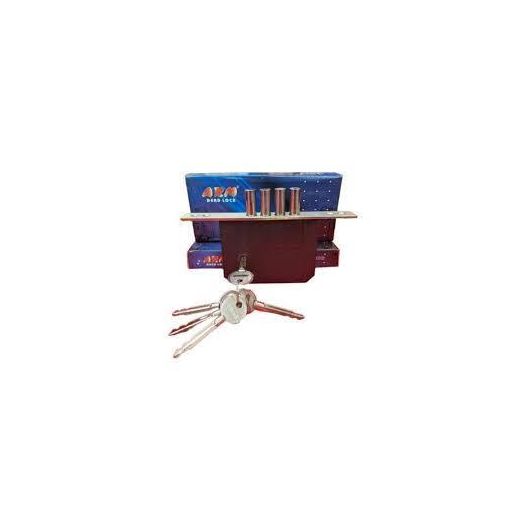
Rim locks are ideal for quick upgrades on hinged doors or steel gates where easy retrofit is important. In contrast, mortise dead locks (often described as heavy‑duty sets) offer higher security with multiple locking points, making them better suited for high‑traffic entrances or commercial applications where extra durability is needed.
How should I maintain these locks for lasting security?
Regular maintenance helps preserve performance and security. Check mounting screws and strike alignment, keep the mechanism clean from dust, and use a light lubricant on moving parts as recommended by the manufacturer. Avoid exposing locks to moisture and extreme conditions, which can corrode components. Periodic checks also help you catch wear early, ensuring the lock continues to function smoothly over time.
What finishes or color options are common for dead locks?
Finish options typically include brown and black coatings, with gray or natural steel tones appearing in some models. Brown rim locks are common for traditional doors, while darker finishes suit modern exteriors. This variety lets you harmonize hardware with your door style and climate, helping both aesthetics and resilience in outdoor settings.
Are there any compatibility notes to consider when selecting a rim lock set?
Yes. Make sure the lock family uses a compatible keyway and that the strike plate aligns with your door frame to avoid misalignment. Some products are described as suitable for gates or main doors and emphasize heavy‑duty steel construction, ensuring they function reliably on steel frames and in high‑use environments.