HomeCombination lock

Combination lock

(1255 products found)

Related results:
Express

Frequently Asked Questions about Combination lock

How do I choose the right combination cover/lock for my everyday use?
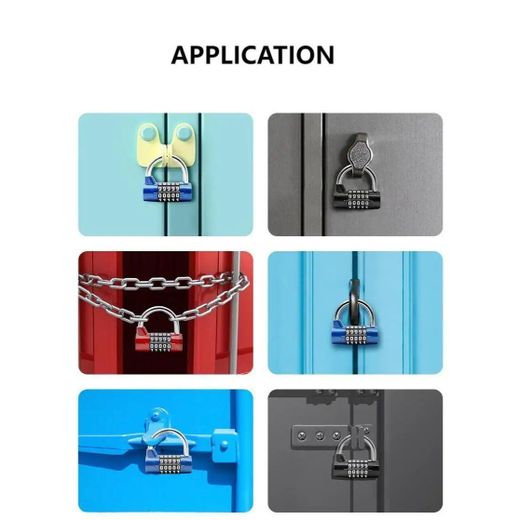
The right choice starts with where you’ll use it and what you’re trying to protect. For a travel bag or a jewelry box, prioritize systems with three or four digits, which can be set without a key—for example, some systems include a factory 0-0-0 code that can be changed by users. For training use or an office, look for four or five digits to increase security for items stored in boxes or cabinets. For outdoor environments, choose a brass or zinc-alloy design that resists corrosion and rain, built for long service life. ,
Detailed feature: What’s the unique feature about the number of combinations, and how does it affect the security of your items?
Yes—the number of digits and the password-setting design are the most important security features. A 3-dial example can have over 1,000 combinations, showing that quick security is possible; a 4-dial can provide about 10,000 unique possibilities, and a 5-dial can reach up to 100,000. Some systems also allow setting a password at a default value (such as 0-0-0-0-0 in some systems) and then resetting it. That’s why longer codes provide better protection for your valuable items.
In what ways can two different types of users use this combination lock differently?
The first type of user is travelers who need quick and convenient access—for example, a bag or travel box using 3–6 digits to protect your materials without a key. The second type is people who store items in gym lockers, schools, or offices where a larger number of digits and an anti-theft security standard are required, so they prefer 4–5 digit systems or even 6 digits. These two use cases emphasize choosing the right digit length for both access convenience and item security.
What else should I do to maintain and check compatibility for the combination lock?
Invest in easy maintenance and proper care to keep performance stable. Keep the lock away from corrosion and rain (brass or zinc-alloy) for outdoor use to avoid rust and ensure smooth operation over time. For electronic systems like finger locks, make sure it’s fully charged before first use and follow the original usage instructions. Avoid letting others know your code, store it in a safe place, and periodically review/reset the number selection if necessary.
What are common mistakes people make when buying a combination lock, and how can I avoid them?
The main mistake is choosing a lock with too few digits without considering the security level needed—for example, a 3-dial setup may be quick, but it may not be secure enough for valuable items. Also, if you don’t check whether the lock can be reset or if it comes with a factory default code, it could mean your code is easier to guess. Don’t use products that aren’t built with water-resistant construction for outdoor use or for use near rain. Store the most valuable items and use a digit type and code length that matches your needs.
Finally, for special uses like traveling, the gym, or home use, what’s important to consider before purchasing?
For travel, choose a three- or four-digit system that’s easy to set without a key, along with the ability to change factory settings. For the gym or office, choose four or five digits to increase code possibilities and improve security. For home use, you can start with smaller 3–4 digit systems for items like a bag or a stick storage, or choose a 5-digit PPE for stronger security. In all of these markets, you’ll find systems with factory 0-0-0 or a code set by the owner.