HomeCharging system maintenance kit

Charging system maintenance kit

(10 products found)

Ensure optimal performance of your vehicles charging system with our comprehensive Charging System Maintenance Kit. Designed for both professionals and DIY enthusiasts, this kit includes essential tools and components to effectively clean, test, and maintain your battery, alternator, and starter connections. Regular maintenance helps prevent costly breakdowns and extends the lifespan of your vehicles electrical system. Invest in reliability and efficiency with our high-quality maintenance kit, tailored for seamless and hassle-free upkeep.

Frequently Asked Questions about Charging System Maintenance Kits for Home Solar Lighting

How do I choose the right charging system maintenance kit for my home solar setup?
Start by matching your daily energy needs to the kit’s capabilities. Estimate how many hours you’ll operate lighting and USB charging ports, and whether you want built‑in battery options or modular setups that let you add batteries later. Consider reliability and brand reputation—Dat, SolarMax, StarMax, and Drom‑Power offer evident experience in energy saving systems. Check material durability (PVC vs plastic), and whether the kit supports future expansion of ports or lights. This helps ensure you pick a kit that fits current and growing needs.
What is the difference between an inbuilt battery kit and a low‑maintenance kit, and when should I choose each?
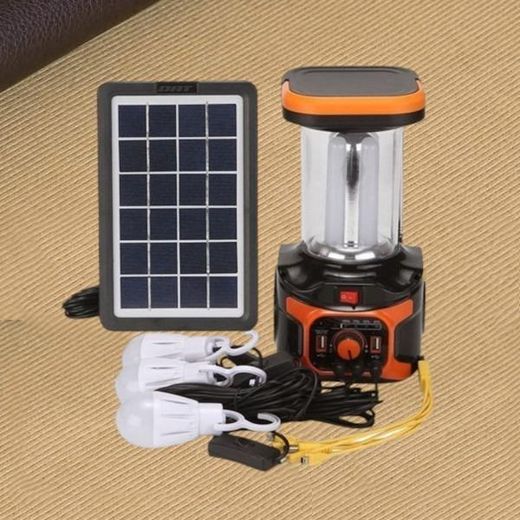
An inbuilt battery kit integrates the battery inside the unit, delivering a tidy, quick setup but less flexibility for upgrading power storage. A low‑maintenance kit typically relies on external batteries, which can be swapped or expanded as your energy demands grow. Choose an inbuilt design for simplicity and minimal wiring, and a low‑maintenance setup if you expect to scale your system or prefer using specific battery brands. Both options align with energy‑saving goals and can pair with MP3/FM/USB features.
How should I pick the right battery type for a solar lighting system, such as 12V 50Ah lead‑acid or 12V 200Ah gel options?
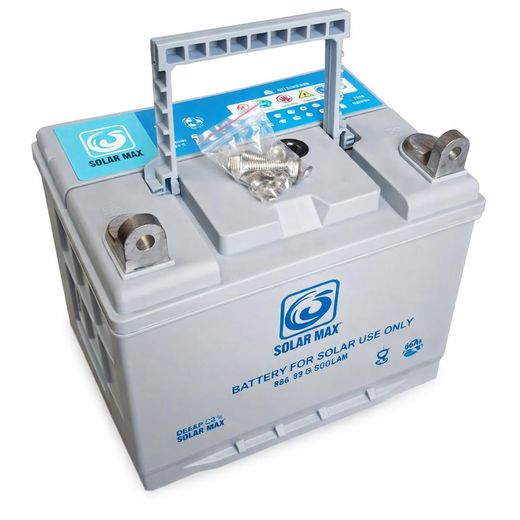
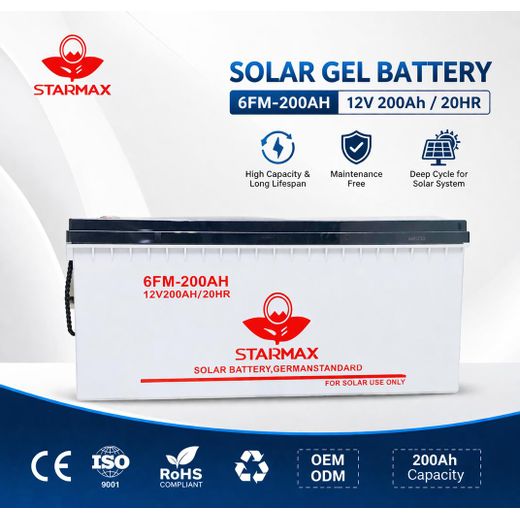
Choose the battery type based on usage and maintenance tolerance. Lead‑acid options like 50Ah are lighter and cost‑efficient but require regular ventilation and care. Gel batteries offer deeper cycles and maintenance‑free operation but at a higher upfront cost and heavier weight. For larger, long‑term setups, the 200Ah gel option can provide extended runtime with fewer top‑ups. Ensure compatibility with your kit’s charging profile and room temperature, and consider brand reliability (Dat, SolarMax, StarMax, Drom‑Power) when selecting a trusted power source.
Should I prioritize kits with extra features like MP3, Bluetooth, or USB charging ports, or go for a basic lighting kit?
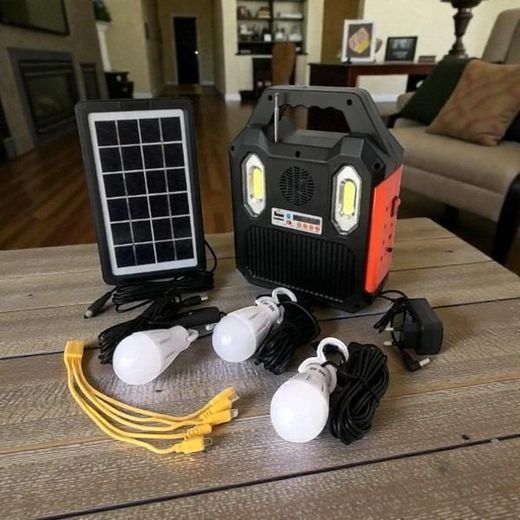
Extra features add convenience, especially if you want audio playback or device charging from a single system. However, balance them against the kit’s total power output and battery capacity to avoid under‑powered performance. Choose feature‑rich kits if you plan to use MP3/FM, Bluetooth streaming, and multiple USB ports regularly, but prefer a basic lighting kit if your main goal is reliable illumination with minimal maintenance. Brand options from Dat to Drom‑Power often bundle these features without compromising core performance.
Which usage scenario best fits a beginner homeowner versus a DIY enthusiast for these solar kits?
Beginners should start with plug‑and‑play kits that include built‑in batteries and simple port layouts, offering straightforward installation and fewer compatibility concerns. DIY enthusiasts can opt for modular kits with external battery options, expandable USB ports, and more control over voltage and port arrangement. In both cases, confirm compatibility with your existing home setup and future expansion plans, and choose trusted brands such as Dat, SolarMax, StarMax, or Drom‑Power to ensure reliable after‑sales support.
What maintenance and compatibility checks should I perform before installing a solar lighting kit?
Check that the kit’s voltage and port types match your intended system, and verify mounting locations are dry and well‑ventilated. Inspect connectors for corrosion and secure any loose cables to prevent shorts. Confirm the chosen batteries are compatible with the kit’s charging profile and that the enclosure material (PVC or plastic) is suitable for your climate. Finally, ensure you have a clear plan for disposal or recycling of old batteries, and keep a maintenance schedule to extend life and performance.