HomeCeramic modelling clay

Ceramic modelling clay

(406 products found)

Discover the versatility of our premium ceramic modelling clay, perfect for artists and hobbyists alike. This high-quality, air-dry clay is easy to shape and mold, allowing for intricate designs and detailed sculptures. Ideal for both beginners and experienced creators, it offers excellent workability and durability once cured. Whether you’re crafting decorative pieces or functional items, our ceramic modelling clay ensures a smooth finish and vibrant results. Unleash your creativity today!
Express

Frequently Asked Questions About ceramic modelling clay

How do I choose the right ceramic modelling clay category for my project?
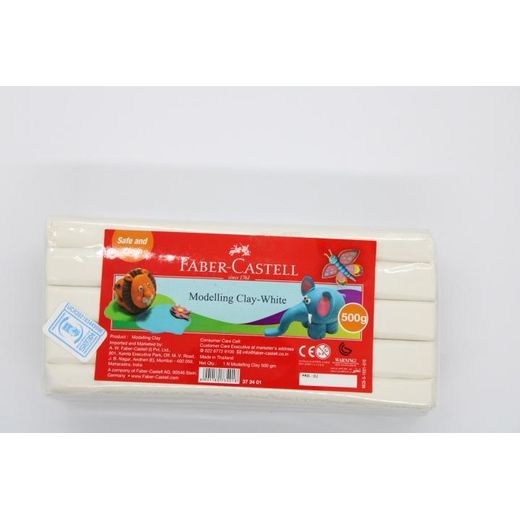
Start by defining your project and your experience level. For quick, forgiving results, opt for air-dry ceramic modelling clay; for durable, heat-set pieces, consider polymer or oven-bake options. Consider texture and plasticity for detail work, color options for the final look, and drying time to fit your schedule. Look for reputable brands such as Faber-Castell, CBC or Twist and pair the clay with a suitable toolkit to get smooth surfaces and precise edges. Examples you might encounter include white modelling clay, brown CBC clay, or natural ceramic modelling clays in larger packs for bigger projects.
What is the most complex attribute of ceramic modelling clay to understand, and how does it affect your work?
Texture and plasticity largely determine how smoothly you can sculpt and how well details hold after drying. Assess moisture and pliability by kneading and testing a small roll; clay that stays pliable yet resists sticking will give crisper results. For detailed work, a fine-texture air-hardening clay helps define intricate lines, while standard clays are better for broad shapes. Consider trying a 1kg fine-texture air-hardening modelling clay to feel the difference in grip and squeeze before committing to larger projects.
How should you choose ceramic modelling clay for different usage scenarios, such as beginner hobbyists versus experienced sculptors?
Beginner hobbyists should start with easy-to-handle, non-toxic air-dry clays and a simple toolkit for smoothing and shaping. Experienced sculptors can experiment with polymer or oven-bake clays, wider color ranges, and more specialized tools for detail work. Pair your choice with a suitable tool kit—options like an 8-piece or 11-piece set cover smoothing, carving, and shaping, while larger kits offer more versatility. This approach lets you build skills gradually and expand into more demanding projects.
What maintenance and compatibility tips should you follow when working with ceramic modelling clay?
Keep clay fresh by sealing it in an airtight bag or container and storing away from direct heat or sunlight. Clean tools with a damp cloth and avoid soaking metal surfaces to prevent rust; use tools made from materials that suit your clay type, such as wood, stainless steel, or plastic. When joining pieces, use slip or adhesives appropriate for the clay you’re using and ensure surfaces are clean and dry. If you switch between air-dry and oven-bake clays, follow each type’s specific guidelines to avoid cracks or weak joints.
Which accessories should I pair with ceramic modelling clay to get the best results?
Pair your clay with a dedicated sculpting toolkit to improve finish and speed. A multi-tool kit with dotting, carving, and shaping features helps you work from rough form to detailed surfaces. For versatility in finishing, consider a combination of wooden-handled and stainless-steel tools, such as a 27-piece kit or a mid-sized 11-piece set, to cover smoothing, cutting, and refining tasks. These accessories are commonly used across ceramic, pottery, and polymer projects for consistent results.
What color and brand options exist for ceramic modelling clay, and how do you decide between them?
Brand choices vary, offering white, red, brown, and natural clays to suit different aesthetics. Reputable brands such as Faber-Castell, CBC, and Somo provide reliable white, red, and neutral tones in various pack sizes. If you need to mix shades, start with a base white or natural clay and blend with colored pieces to achieve your desired hue. When choosing, consider color consistency, safety labeling, and compatibility with your favorite tools and kits. Examples you might encounter include 500g White or Red modelling clay and 2kg natural ceramic modelling clay from trusted brands.