HomeBone saw
Express

Frequently Asked Questions about Bone saw

How do I choose the right bone saw for my needs?
Start with your main use case and workspace. For home kitchens or light meat processing, a compact, stainless-steel bone saw with an easy blade tension lever and straightforward cleaning is ideal, as seen in models that advertise simple tension control and anti-corrosion blades. If you operate a professional kitchen or butcher shop, opt for a heavier, table-top or dedicated meat saw with a stable base and sanitation-friendly design. Replacement blade options and steel quality also matter, such as blades available in stainless steel and steel grades like CK75 or SK5 for durable edge retention.
What makes the blade tension and guide system a key feature to look for?
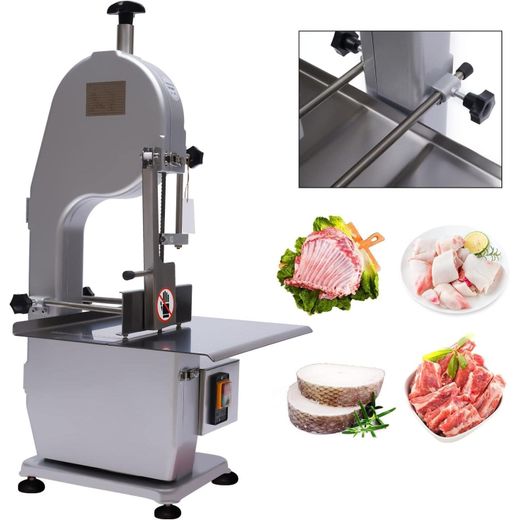
The blade tensioner, blade guide, and guard are crucial because they ensure precise tracking and a clean cut across each tooth. A well-designed tensioning system prevents blade wandering and reduces heat buildup, while the guide and guard protect your fingers and keep the blade aligned during cutting. Products showing adjustable tension, sliding guides, and protective scrapers illustrate this level of control, delivering sharper cuts and safer operation in both home and professional settings.
Should I prioritize a table-top electric model or a manual bone saw for my shop?
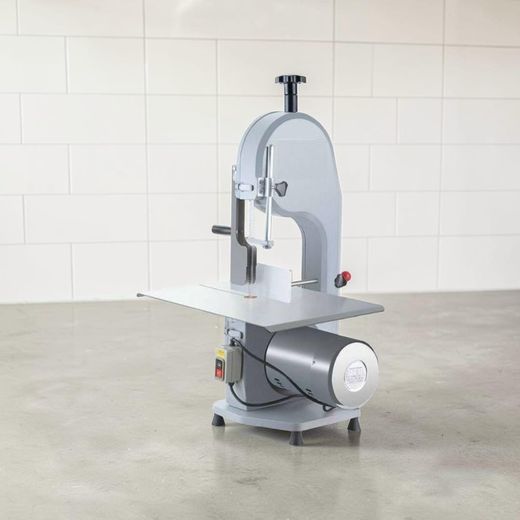
If you need consistent, fast cutting for regular use, a table-top electric bone saw is preferable due to its powerful motor and steady performance, as highlighted by heavy-duty tabletop designs. For occasional or compact spaces, a manual or smaller butcher-style saw with a tension device may suffice. In professional environments, the table-top option often pairs with hygienic, easy-to-clean components, while home users can benefit from the compact, lever-tensioned variants.
What maintenance steps keep a bone saw safe and efficient?
After use, disassemble when possible and clean the parts to preserve hygiene, as seen in models designed for quick sanitation. Stainless-steel blades resist rust, so keep them dry and dry-wipe after cleaning. Regularly check blade tension and ensure the tension lever remains functional to maintain cutting efficiency. If you need to replace blades, choose blades that match the machine’s specifications, such as long replacement blades designed for compatible band saw machines to maintain proper fit and performance.
What blade materials and tooth configurations should I expect across these options?
Expect stainless-steel blades with precision-ground teeth across many bone saw options, offering durability and sharpness. Some blades specify steel grades like CK75, SK5, C75Cr1, or 51Cr, with teeth welded in loops or endless, indicating strong edge retention and longevity. A few products emphasize rust resistance and easy replacement, while others highlight specific blade lengths (for example, 1650mm variants) suitable for compatible band saws, giving you a choice based on cutting frequency and meat types.
Is there a model that includes an extra blade or additional accessories?
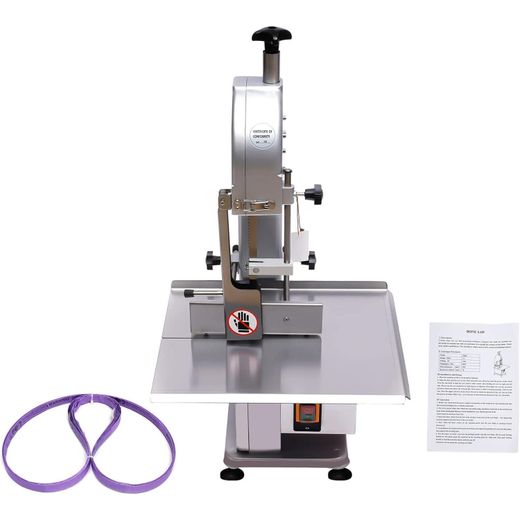
Yes, some machines come with extra blades and bundled accessories to boost convenience. For instance, one compact bone saw machine explicitly includes an extra blade, along with a user manual, simplifying setup and ongoing maintenance. This is especially helpful for regular use where blade changes are expected, enabling quicker swaps and reduced downtime while maintaining consistent cutting performance.