HomeAccess control systems

Access control systems

(197 products found)

Frequently Asked Questions about Access control systems

How do I choose the right access control solution for a building?
Start with the entry points you need to secure and the level of control required. Look for systems that support biometric authentication or card access, and check if they offer TCP/IP networking, RS232/RS485 serial interfaces, and USB host options for broader integration. Features like Webserver access, anti‑passback, and optional IDs or Mifare cards enable scalable security for offices, schools, or homes. Some models even provide multiple interface options to connect to electric locks and door sensors.
Which capacity metrics matter most when selecting biometric access control?
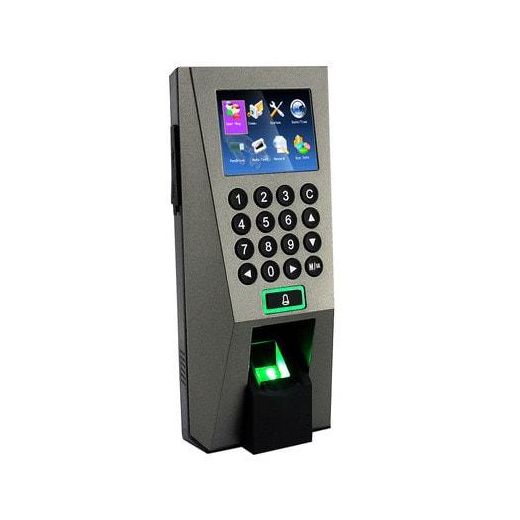
Fingerprint capacity and card capacity are key indicators of future growth. For example, some F18 models support up to 3,000 fingerprints and 5,000 card IDs, with transaction capacity around 30,000, allowing longer operation before upgrades. Other units offer similar capabilities with additional optional cards or longer transaction logs. Choosing higher capacities helps maintain smooth access control as your user base or staff expands without requiring immediate replacements.
What network and interface options matter for futureproofing?
Prioritize devices with TCP/IP networking and Wiegand input/output to integrate with existing door systems and controllers, plus RS232/RS485 serial communication for legacy setups. USB host support simplifies firmware updates or local data export. Applicable models in the range combine these interfaces to offer flexible deployment in offices or campuses, ensuring you can scale access control across multiple doors and zones while maintaining centralized monitoring.
Are there models with built‑in power backup or portable use?
Yes, several options feature built‑in battery capabilities for situations where a stable mains supply isn’t guaranteed or when temporary secure access is needed. The K40 biometric terminal, for instance, is described as built with a built‑in battery, making it suitable for installations where continuous operation is essential. When considering portable units, verify battery life and charging methods to ensure consistent access control during outages or outdoor deployments.
What installation considerations should I plan for with these systems?
Plan for wall or panel installation with dimensions and mounting compatibility. Typical devices in this group include compact enclosures with TFT or LED displays and robust housings, often made from PVC or similar durable materials. Consider climate exposure (operating temperature and humidity) and ensure the mounting surface can support the unit plus any door‑lock hardware. Also, confirm that the system can interface with your existing door hardware, including locks, sensors, and exit devices.
What features indicate reliability and smart security in these devices?
Look for features such as tamper alarms, web server management, and self‑service queries, along with scheduling and DST support. Biometric units often advertise rapid verification speeds (for example, under half a second) and robust software suites like WDMS or ZKTime.net integration. Additional indicators include a clear user ID system, configurable work codes, and compatibility with multiple credential types (ID, Mifare). These attributes collectively signal a mature, scalable security solution for various environments.