HomeA1 micro sd

Price (KSh)

-
Express

Frequently Asked Questions about A1 micro sd

What should I know about micro SD cards for phones and cameras?
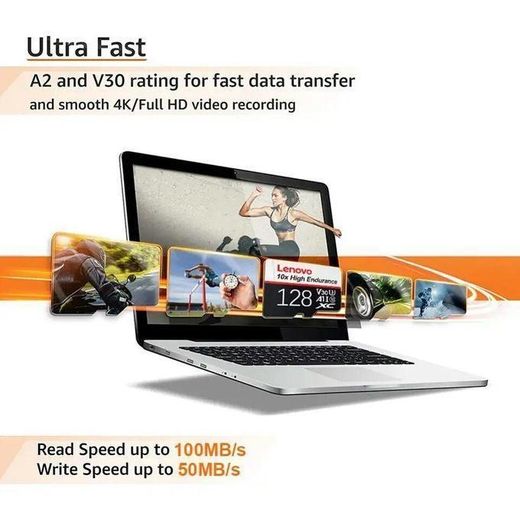
Micro SD cards expand storage across devices, with common capacities ranging from 32 GB to 256 GB and performance classes like A1 for app use and UHS‑I for faster transfers. These cards are designed to work in smartphones, tablets, and cameras, and some come with SD adapters so you can use them in devices that accept standard SD slots. For example, higher capacity options like 256 GB offer substantial space, while 64 GB and 128 GB models provide solid everyday performance.
How do I pick the right capacity and speed class for my needs?
If you store lots of apps, photos, and 4K video, opt for higher capacities (128 GB or 256 GB) combined with UHS‑I and A1 ratings for smooth app operation. For general photo and video use, 64 GB or 128 GB with Class 10 or A1 speed ensures quick transfers and reliable recording. The presence of A1 and UHS‑I across these cards indicates suitability for everyday mobile and camera workflows.
Which SanDisk microSD card would work best with my device?
Choose based on capacity and performance needs. A 256 GB card offers large storage for apps and media, a 64 GB or 128 GB option balances space and price, and the Class 10 or A1 ratings indicate reliable performance for typical phone and camera tasks. Some cards even include adapters for devices with standard SD slots, broadening compatibility.
Do these cards come with adapters or need separate ones?
Some cards include adapters that let you use them in devices with SD slots, while others are pure microSDs intended for microSD slots in phones and tablets. For example, certain SanDisk models are sold with an SD adapter to maximize compatibility, while others are sold as microSD cards alone. Always verify what is included before purchasing to ensure you can use the card in your intended devices.
How should I care for microSD cards to extend their life?
Handle cards gently and avoid bending or bending-only operations. Keep them away from water, extreme heat, and dust, and store them in a protective case when not in use. Always eject or unmount the card from a device before removing it, and format the card in the device you intend to use it with to avoid compatibility issues.
What are common uses for these memory cards beyond phones and cameras?
These cards are widely used to expand storage for mobile devices, tablets, cameras, and even some laptops with microSD slots. Higher capacities are ideal for large media libraries and high-resolution video, while smaller cards work well for everyday app data and documents. The included adapters in some models further extend compatibility to devices with standard SD slots, increasing versatility across gear.