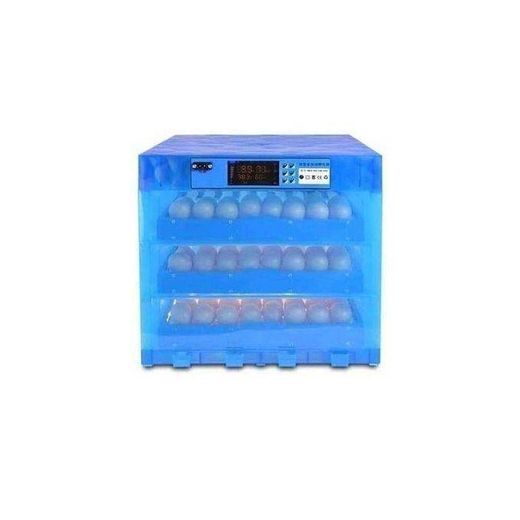
Home320 egg automatic incubator

320 egg automatic incubator

(1001 products found)

Related results:
Discover the efficiency of the 320 Egg Automatic Incubator, designed for optimal hatching results. This advanced incubator features precise temperature and humidity controls, ensuring a stable environment for your eggs. With an automatic turning mechanism and user-friendly digital display, monitoring your incubation process has never been easier. Ideal for poultry enthusiasts and small-scale farmers, this incubator guarantees high hatch rates, making it a reliable choice for your hatching needs. Elevate your incubation experience today!

Frequently Asked Questions about 320-Egg Incubators (Generic/3rd-Party Brands)

How do I choose a 320-egg incubator for home or small-lab use?
Start by confirming the incubator’s capacity and automation level, ensuring it can hold 320 eggs and offers reliable temperature and humidity control. Look for a model with clear digital readouts, an adjustable humidity range, and stable air circulation. If you need remote monitoring, select a unit that provides remote access or alerts. Material durability and a protective housing are important for long-term use. A fully automatic option is often easiest for beginners, while labs may prefer more advanced controls.
What is the most complex attribute to evaluate in a 320-egg incubator, and why?
The most complex attribute is precise environmental control, especially temperature stability and humidity regulation. Subtle fluctuations can affect hatch rates, so advanced units feature tight tolerances, reliable sensors, and consistent air exchange. Remote monitoring adds another layer of complexity but greatly improves reliability. When comparing options, pay attention to sensor placement, calibration options, and how quickly the unit responds to environmental changes to maximize hatch success.
Should I use a 320-egg incubator at home or in a professional setting?
At home, a user-friendly, automated incubator is ideal for hobbyists exploring poultry hobbies or small personal projects. In a professional or lab setting, you’ll want more precise controls, data logging, and easier maintenance. Evaluate your space, power supply, and whether you need solar/alternative power options. Regardless of setting, ensure you follow safety guidelines for handling eggs and chicks, and maintain clean, dedicated space for incubation work to prevent contamination.
What maintenance practices help keep an incubator running reliably?
Regular cleaning and sanitation between hatch cycles are essential. Remove residual debris, disinfect according to manufacturer guidance, and check sealing gaskets for wear. Calibrate sensors if needed and replace any worn fans or components promptly. Keep the unit in a ventilated area and protect it from dust. Record hatch rates and environmental readings to monitor performance and identify when maintenance or part replacements are due.
What power options or compatibility should I consider for a 320-egg incubator?
Look for compatibility with AC power and the possibility of solar or DC operation if you require off-grid use. Ensure the power supply matches the incubator’s wattage and voltage requirements, and check for features like automatic on/off timers aligned with your incubation schedule. If you operate in regions with unstable power, consider a model with surge protection and backup power options to prevent temperature or humidity swings that could harm eggs.
What safety precautions should I observe when operating a 320-egg incubator?
Always place the incubator on a stable, level surface away from water sources and direct heat. Use a dedicated circuit to prevent overloading and ensure proper ventilation to avoid overheating. Keep hands, spills, and combustible materials away from electrical components, and follow the manufacturer’s guidelines for safe operation, cleaning, and handling chicks after hatching. Regularly inspect power cords and connections for wear, and unplug during maintenance to reduce electrical hazards.