Home30 ah charge controller

30 ah charge controller

(1440 products found)

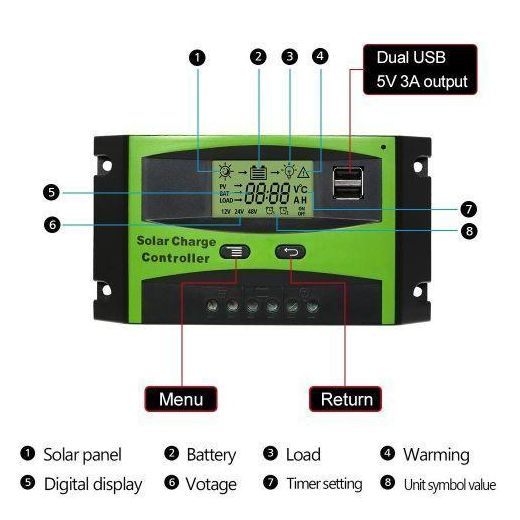
Discover the efficiency and reliability of our 30 Ah charge controller, designed to optimize the performance of your solar power systems. This advanced device ensures safe and effective charging of your batteries, prolonging their lifespan while maximizing energy output. With features like overcharge protection, temperature compensation, and easy installation, our 30 Ah charge controller is perfect for both residential and commercial applications. Enhance your renewable energy setup today and enjoy sustainable power solutions with confidence.
Express

Frequently Asked Questions about 30 Ah Solar Charge Controllers

How do I choose the right 30 Ah solar charge controller for my off-grid setup?
Start by matching your system voltage (12V or 24V) and the controller’s 30A rating to your solar array. Consider whether you need MPPT or PWM technology, as MPPT typically delivers higher efficiency, especially in varying sun conditions. Check battery chemistry compatibility (lead‑acid, LiFePO4, etc.), ensure wide voltage input, and look for reputable brands such as Phoenix or SolarMax that offer solid warranties and local support. Finally, verify enclosure suitability and available mounting options to suit your installation space.
What makes a 30Ah MPPT charge controller better than a PWM model, and when should I choose MPPT?
MPPT controllers optimize the panel voltage to charge the battery at the maximum possible power, converting excess voltage into usable current and delivering higher overall efficiency. They excel in setups with longer cable runs or in shaded conditions. Choose an MPPT model like a 30Ah MPPT Charge Controller when your array voltage is higher than the battery voltage or when you want better performance in limited sunlight. Brands such as SolarMax often provide robust MPPT options with good warranty coverage.
Is this suitable for a beginner DIY install or a small off-grid project?
Yes, this type of controller is suitable for both beginners and small off-grid projects, but proceed with care. Start with the manufacturer’s wiring diagram and safety guidelines, and use properly rated cables and fuses. For beginners, pick a unit from a trusted brand that offers clear mounting instructions and accessible support. If you’re expanding later, ensure the controller can handle your future panel count and battery bank without needing a replacement.
How do I mount and wire a 30A MPPT controller safely and ensure compatibility with panels and batteries?
Mount the controller in a dry, ventilated location away from heat sources. Connect the battery first to reduce arcing, then connect the PV panels, and finally the load if applicable, using appropriately gauged wires and a proper inline fuse. Ensure the panel’s open-circuit voltage and short-circuit current stay within the controller’s rated input, and verify battery voltage matches the controller’s design (12V/24V). Follow manufacturer diagrams and keep all connections clean and tight for long-term reliability.
Do I need to worry about brand like Phoenix or SolarMax when buying a 30Ah MPPT controller?
Brand matters for reliability, warranty terms, and after-sales support, so choose established names such as Phoenix or SolarMax when available. Look for devices with good regional service, clear documentation, and solid MPPT performance claims. While price varies, prioritise build quality, controller protections (overload, temperature, reverse polarity), and reported user satisfaction. A reputable brand also tends to provide better software updates or monitoring options if you need remote visibility of your system.
What quick checks should I perform before purchasing, like voltage, battery type, and system voltage?
Confirm your system voltage (12V or 24V) and ensure the controller supports it, along with compatible battery chemistry (lead-acid or Li-based). Check that the 30A rating aligns with your expected current from the solar array, and verify MPPT capability if you want higher efficiency. Inspect the input voltage window, temperature rating, and enclosure protection. Finally, review warranty length and included accessories to make sure you’ll get solid value and reliable support.